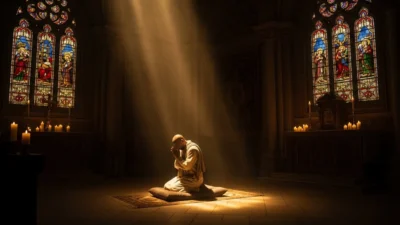
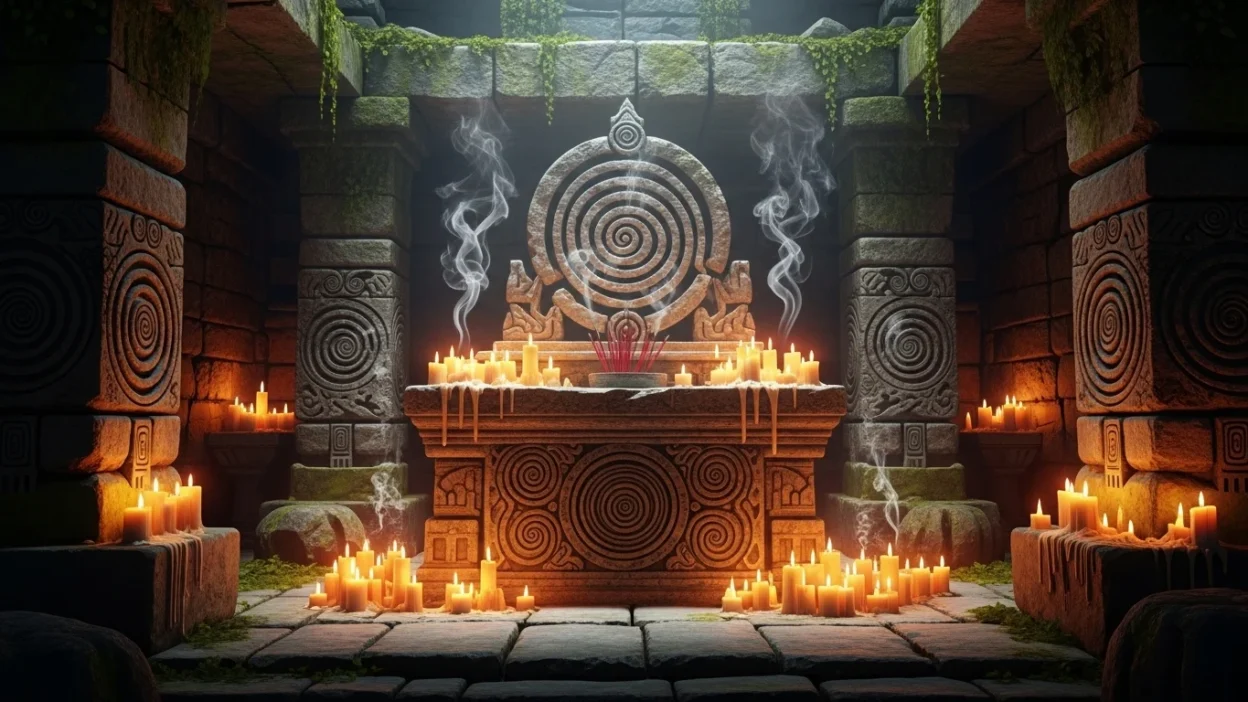
Altar symbolism represents sacrifice, devotion, prayer, and a sacred connection between humanity and the divine. Throughout history and across cultures, altars have served as spiritual focal points where people offer prayers, gifts, and symbolic sacrifices. Because of this role, the altar symbolizes a place where the human world meets the spiritual realm.
From ancient temples to modern places of worship, altars remain powerful symbols of faith, humility, and spiritual commitment.
What Does Altar Symbolism Mean?
At its core, altar symbolism represents a sacred space dedicated to worship and offerings. Altars symbolize devotion, gratitude, and the act of giving something meaningful in honor of spiritual beliefs.
Common meanings associated with altar symbolism include:
- Sacrifice and offering
- Devotion and prayer
- Spiritual connection
- Gratitude and reverence
- Transformation and renewal
- Sacred commitment
Because of these meanings, altars are often placed in important spiritual locations such as temples, churches, and shrines.
Spiritual Meaning of the Altar
Spiritually, the altar symbolizes a meeting place between the earthly and the divine. It represents a moment of humility when individuals offer prayers, intentions, or symbolic gifts.
Altars may represent:
- Personal devotion and faith
- Spiritual purification
- Transformation through sacrifice
- Gratitude toward the divine
- A gateway for prayer and reflection
In many traditions, the altar is seen as a powerful spiritual center that focuses attention on sacred intentions.
Altar Symbolism in Religion
Altars play an important role in many religious traditions.
In the Bible, altars were often used for offerings and sacrifices as acts of devotion and obedience to God. These sacred structures symbolized dedication and spiritual commitment.
Altars also appear in many other spiritual traditions where they are used for prayer, meditation, and ceremonial rituals.
Across religions, altars often symbolize:
- Devotion and reverence
- Sacred offerings
- Spiritual transformation
- Communication with the divine
These meanings emphasize the altar as a place of deep spiritual focus.
Historical and Cultural Symbolism of Altars
Altars have existed in human cultures for thousands of years.
Ancient Rituals
Ancient civilizations built altars for religious ceremonies, offerings, and sacred rituals. These altars were often made from stone and placed in temples or sacred outdoor spaces.
Cultural Traditions
Different cultures created unique altar traditions using candles, incense, flowers, and symbolic objects to represent prayers, remembrance, or gratitude.
These traditions highlight the universal human desire to connect with something greater than oneself.
Altar Symbolism in Art and Literature
In art and literature, altars often symbolize sacrifice, devotion, and spiritual dedication.
Artists and writers use altar imagery to represent:
- Spiritual surrender
- Faith and commitment
- Transformation through sacrifice
- Sacred rituals and traditions
The altar frequently appears in stories as a place where important spiritual decisions or moments of devotion occur.
Altar Symbolism in Dreams
Dreams involving altars often symbolize personal reflection, sacrifice, or spiritual awakening.
| Dream Scenario | Possible Meaning |
|---|---|
| Seeing an altar | Spiritual reflection |
| Praying at an altar | Seeking guidance |
| Offering something on an altar | Personal sacrifice |
| Broken altar | Loss of faith or doubt |
| Glowing altar | Spiritual awakening |
Such dreams may encourage individuals to consider their values, beliefs, or personal commitments.
Modern Interpretation of Altar Symbolism
In modern life, altar symbolism continues to appear in both religious and personal spiritual practices.
Today, altars may symbolize:
- Personal prayer or meditation spaces
- Remembrance of loved ones
- Gratitude and mindfulness
- Spiritual intention and focus
- Personal transformation
Many people create small home altars to encourage reflection and spiritual awareness.
Positive and Shadow Meanings of Altar Symbolism
Like many sacred symbols, altar symbolism can have both positive and cautionary meanings.
Positive Interpretations
- Devotion and faith
- Spiritual transformation
- Gratitude and humility
- Prayer and reflection
Shadow Interpretations
- Misuse of ritual practices
- Blind sacrifice without understanding
- Manipulation through religious authority
Balanced interpretation encourages respectful understanding of sacred traditions.
Final Thoughts on Altar Symbolism
Altar symbolism reflects humanity’s deep desire to connect with the sacred through devotion, prayer, and symbolic offerings. Whether found in ancient temples or personal meditation spaces, altars represent moments of humility, gratitude, and spiritual reflection. Across cultures and religions, the altar continues to serve as a powerful symbol of faith, sacrifice, and transformation.
By understanding altar symbolism, we gain insight into how people express devotion and seek meaning through sacred rituals.
Frequently Asked Questions
What does an altar symbolize spiritually?
An altar symbolizes devotion, sacrifice, prayer, and a sacred place where individuals connect with the divine.
Why are altars used in religious practices?
Altars are used as focal points for prayer, offerings, and rituals that express faith and spiritual commitment.
What does dreaming about an altar mean?
Dreaming about an altar often represents spiritual reflection, personal sacrifice, or a search for deeper meaning.
Can altars exist outside religion?
Yes. Many people create personal altars at home for meditation, remembrance, or spiritual reflection.
What do altars represent historically?
Historically, altars represent sacred places where offerings, ceremonies, and spiritual rituals were performed.

Sophia Reynolds is a digital writer and researcher with a focus on modern trends, productivity, and online education. She enjoys exploring new ideas and presenting them in a simple, reader-friendly way. Sophia is committed to creating informative and trustworthy content that helps audiences stay informed and inspired.