
Devil symbolism represents temptation, rebellion, inner conflict, and the darker side of human nature. Throughout history, the devil has been portrayed as a powerful figure that challenges morality and tests human choices. Rather than only representing evil, the devil often symbolizes the struggle between good and bad impulses within every person.
Across religion, mythology, psychology, and modern culture, the devil symbolizes temptation, deception, freedom, and transformation. Understanding devil symbolism reveals deeper insights about human behavior, moral decisions, and the balance between light and darkness.
What Does Devil Symbolism Mean?
At its core, devil symbolism reflects temptation and moral testing. The devil is commonly depicted as a figure that encourages people to follow desires or selfish impulses rather than wisdom and restraint.
Common symbolic meanings include:
- Temptation and seduction
- Rebellion against authority
- Deception or illusion
- Inner conflict and moral struggle
- The darker side of human nature
- Power and forbidden knowledge
Because of these meanings, the devil has long been used as a symbol to explore human weaknesses and ethical dilemmas.
Spiritual Meaning of the Devil
Spiritually, the devil often represents forces that challenge spiritual growth. Instead of being only an external enemy, many spiritual interpretations see the devil as a symbol of internal struggles.
The devil may symbolize:
- Ego and pride
- Greed and selfish desires
- Illusions that distract from truth
- Spiritual tests that strengthen character
In this context, devil symbolism reminds people that personal growth often requires overcoming temptations and confronting inner shadows.
Devil Symbolism in Religion
Religious traditions strongly shaped how the devil is understood symbolically.
Christian Symbolism
In Christian teachings, the devil represents opposition to goodness and divine truth. Stories frequently portray the devil as a tempter who tries to lead people away from moral paths.
Islamic Symbolism
In Islamic teachings, the rebellious figure associated with temptation represents arrogance and refusal to obey divine guidance. This symbolism highlights the dangers of pride and spiritual arrogance.
Universal Religious Themes
Across many traditions, the devil symbolizes:
- Disobedience
- Pride
- Moral temptation
- Spiritual trials
These interpretations emphasize the importance of discipline, faith, and self-awareness.
Historical and Cultural Symbolism of the Devil
The devil has appeared in folklore, myths, and cultural stories for centuries.
Medieval Imagery
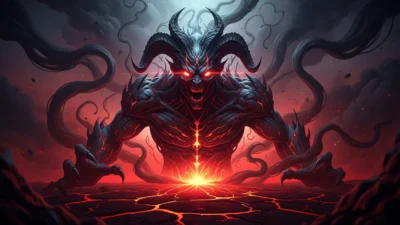
In medieval art and storytelling, the devil was often shown with horns, claws, and fiery surroundings. These visual symbols represented danger, fear, and moral consequences.
Folklore and Legends
Many legends portray the devil as a trickster who makes deals with humans. These stories symbolize the dangers of greed, ambition, and making reckless decisions.
Such stories often carry moral lessons about responsibility and consequences.
Devil Symbolism in Literature and Art
In literature and art, the devil frequently symbolizes human ambition, temptation, and moral conflict.
Artists and writers use the devil to represent:
- Forbidden knowledge
- Desire for power
- Manipulation and deception
- The conflict between good and evil
This symbolism allows storytellers to explore complex psychological and ethical themes.
Devil Symbolism in Dreams
Dreams involving the devil usually symbolize inner fears or personal struggles, rather than literal evil.
| Dream Scenario | Possible Meaning |
|---|---|
| Seeing a devil | Inner fears or temptation |
| Being chased by a devil | Avoiding guilt or responsibility |
| Talking with a devil | Confronting hidden desires |
| Fighting a devil | Overcoming challenges |
| Escaping a devil | Personal growth or liberation |
Dream interpretations often suggest that the dreamer is facing important decisions or emotional conflicts.
Modern Interpretation of Devil Symbolism
In modern culture, devil symbolism is often used in a psychological or metaphorical way.
Today, the devil may represent:
- Rebellion against social norms
- Personal freedom and individuality
- Challenging authority
- The darker aspects of human nature
- Transformation through struggle
Popular culture sometimes portrays the devil as a charismatic or complex character rather than pure evil.
Positive and Shadow Meanings of Devil Symbolism
Like many powerful symbols, the devil contains both positive and negative interpretations.
Positive Symbolism
- Awareness of temptation
- Personal transformation
- Courage to face inner fears
- Recognition of moral choices
Shadow Symbolism
- Manipulation or corruption
- Greed and selfishness
- Loss of moral direction
- Destructive impulses
Recognizing these meanings helps people understand their own motivations and personal struggles.
Final Thoughts on Devil Symbolism
Devil symbolism represents the complex relationship between temptation, freedom, and moral responsibility. While often associated with darkness, the devil also symbolizes the challenges that shape personal growth and self-awareness. Across religions, myths, and psychological interpretations, the devil reminds us that confronting our inner shadows is essential for wisdom and transformation.
Understanding this symbol encourages reflection, self-discipline, and the courage to choose a better path.
Frequently Asked Questions
What does the devil symbolize spiritually?
Spiritually, the devil symbolizes temptation, ego, and challenges that test a person’s moral strength and spiritual awareness.
What does dreaming about the devil mean?
Dreaming about the devil usually reflects inner conflict, temptation, fear, or unresolved emotional struggles.
Why is the devil linked with temptation?
Many traditions portray the devil as a figure who encourages selfish desires and harmful choices, symbolizing moral testing.
Can the devil symbolize personal growth?
Yes. In symbolic interpretations, the devil can represent confronting inner weaknesses and learning through difficult challenges.
What does the devil represent psychologically?
Psychologically, the devil often represents the “shadow self,” meaning hidden fears, desires, and impulses within human nature.

Michael Anderson is a professional editor and senior contributor with a background in long-form content and strategic writing. He focuses on quality, structure, and credibility across all publications. Michael brings years of experience in content development and ensures high editorial standards for every project.