Dream symbolism has fascinated humans for thousands of years. Across cultures and spiritual traditions, dreams are often believed to carry hidden messages, emotions, and insights from the subconscious mind. When we sleep, the mind becomes free from everyday distractions, allowing symbolic images and stories to surface. These symbols can represent personal feelings, spiritual guidance, memories, or even deep psychological truths.
Understanding dream symbolism helps people explore their inner thoughts and emotions more clearly. A flying dream may represent freedom, while falling may reflect fear or uncertainty. By learning the meaning behind these symbols, we can better understand ourselves and the messages our minds may be trying to communicate.
What Is Dream Symbolism?
Dream symbolism refers to the idea that objects, events, people, or actions within dreams represent deeper meanings rather than literal experiences. The mind uses symbols because they are powerful tools for expressing emotions and ideas that may be difficult to explain directly.
For example:
- Water in dreams often represents emotions.
- A road may symbolize life’s journey.
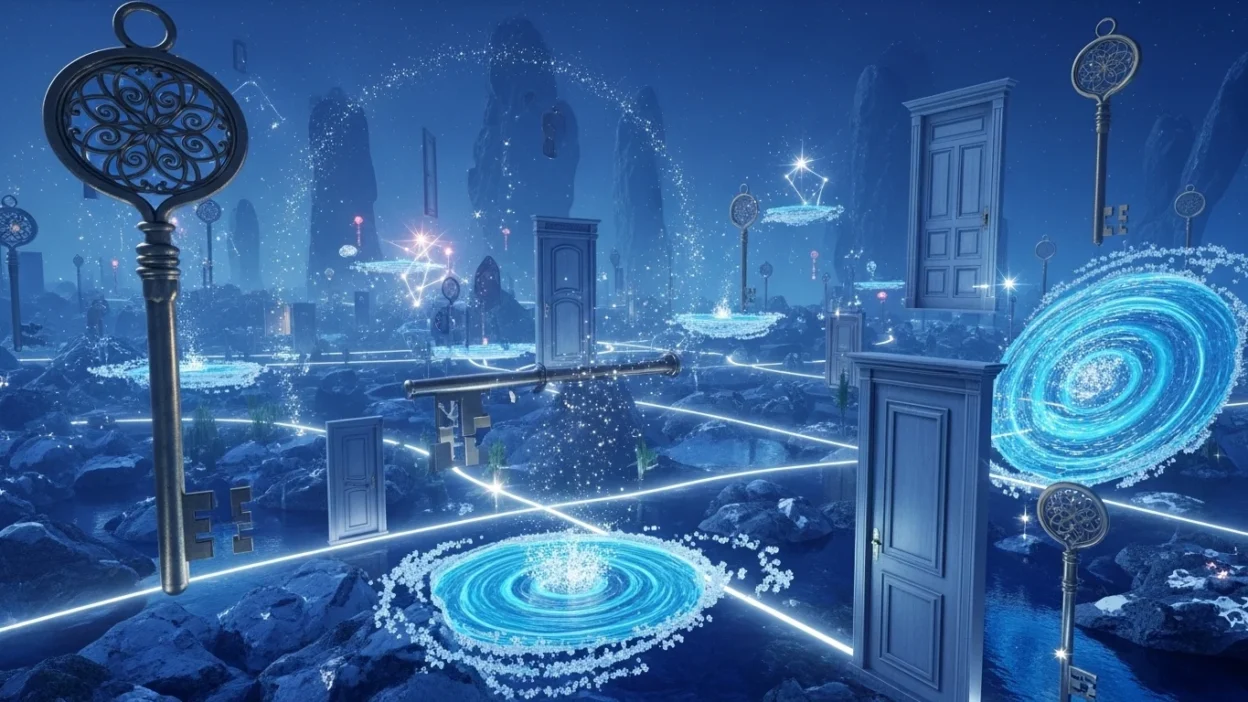
- Doors may represent opportunities or transitions.
Psychologists believe dreams help the brain process experiences and emotions. Spiritual traditions often see dreams as messages from the soul, divine guidance, or glimpses into the unseen world.
Why Dreams Use Symbols
Dreams rarely communicate in straightforward language. Instead, they rely on symbolism because the subconscious mind thinks in images and feelings.
Symbols allow the mind to:
- Express hidden emotions
- Process memories
- Reveal fears or hopes
- Provide creative insights
- Offer spiritual or intuitive guidance
Because each person has unique experiences, dream symbols can have both universal and personal meanings.
Common Dream Symbols and Their Meanings
Many dream symbols appear repeatedly across cultures and traditions. While meanings can vary, certain interpretations are widely recognized.
| Dream Symbol | Possible Meaning | Emotional Theme |
|---|---|---|
| Water | Emotions, intuition | Calm or emotional state |
| Flying | Freedom, ambition | Confidence |
| Falling | Loss of control | Fear or insecurity |
| Snake | Transformation or hidden fear | Change |
| House | Self or personal identity | Inner life |
| Road | Life path or direction | Decisions |
These interpretations serve as guides rather than strict rules, since personal experiences often influence dream meanings.
Spiritual Meaning of Dream Symbolism
In many spiritual traditions, dreams are seen as messages from a deeper source of wisdom. They may represent guidance from the soul, spiritual awareness, or connections to higher consciousness.
Spiritual interpretations suggest dreams can:
- Reveal hidden truths about life
- Encourage personal growth
- Offer warnings or insight
- Strengthen intuition
Some people believe dreams act as bridges between the conscious mind and spiritual realms, allowing wisdom to surface through symbolic imagery.
Biblical Meaning of Dreams
Dream symbolism appears frequently in Biblical stories. Dreams were often viewed as divine messages revealing guidance, prophecy, or warning.
Some well-known Biblical dream themes include:
- Divine guidance during uncertain times
- Symbolic visions revealing future events
- Spiritual encouragement or warnings
For example, Joseph in the Bible interpreted dreams that symbolized coming prosperity and famine. These stories show how dreams were considered meaningful tools of divine communication.
Historical and Cultural Interpretations of Dreams
Dream symbolism has existed throughout human history. Ancient civilizations placed great importance on dreams and often used them for spiritual or practical guidance.
Ancient Egypt
Dreams were considered messages from the gods. Priests sometimes interpreted dreams to guide important decisions.
Ancient Greece
Philosophers and healers believed dreams could reveal truths about health, destiny, and the soul.
Indigenous Traditions
Many Indigenous cultures see dreams as spiritual journeys where ancestors or guiding spirits share wisdom.
Eastern Traditions
In some Asian traditions, dreams are believed to reflect balance between mind, body, and spiritual energy.
These perspectives show that dream symbolism has long been valued as a meaningful way to understand human experience.
Dream Symbolism in Literature and Art
Artists and writers have used dream symbolism to express imagination, mystery, and deep emotional truths.
In literature, dreams often symbolize:
- Hidden desires
- Psychological struggles
- Transformation or enlightenment
Surrealist art movements also embraced dream imagery, creating symbolic landscapes that mirrored the strange yet meaningful nature of dreams. These artistic expressions demonstrate how dream symbolism can inspire creativity and storytelling.
Modern Psychological Interpretation
Modern psychology offers several explanations for dream symbolism.
Psychologists suggest dreams may help:
- Process daily experiences
- Organize memories
- Release emotional tension
- Solve problems creatively
Some experts believe recurring dream symbols reveal ongoing emotional patterns in a person’s life. Understanding these patterns can support personal reflection and self-awareness.
How to Interpret Your Own Dreams
Dream interpretation works best when you consider personal emotions and life circumstances.
Here are a few helpful steps:
- Write down dreams immediately after waking.
- Identify key symbols or emotions in the dream.
- Reflect on current life events or feelings.
- Consider what the symbols might represent personally.
- Look for patterns if certain dreams repeat.
Dream symbolism is not an exact science, but thoughtful reflection often reveals meaningful insights.
Modern Meaning of Dream Symbolism Today
Today, dream symbolism continues to intrigue psychologists, spiritual seekers, and curious individuals alike. While science explains dreams as brain activity during sleep, many people still feel that dreams carry deeper meaning.
Modern interpretations blend psychology, spirituality, and cultural traditions. Instead of seeing dreams as predictions, many experts encourage using them as tools for personal reflection and emotional understanding.
Dreams may not always reveal clear answers, but they often highlight thoughts and feelings that deserve attention.
Secondary Keywords Related to Dream Symbolism
- dream interpretation meaning
- spiritual meaning of dreams
- dream symbols and meanings
- subconscious dream messages
- common dream symbols
- psychological meaning of dreams
Conclusion
Dream symbolism remains one of the most fascinating mysteries of the human mind. Through symbolic images and stories, dreams provide glimpses into emotions, memories, and deeper layers of consciousness. Whether viewed through spiritual traditions, cultural beliefs, or modern psychology, dreams can offer valuable insights about personal growth and self-understanding.
By paying attention to recurring symbols and emotional themes, people can learn to appreciate dreams as meaningful reflections of the inner mind and soul.
FAQs
What does dream symbolism mean?
Dream symbolism refers to the idea that objects or events in dreams represent deeper psychological or emotional meanings rather than literal experiences.
Are dream symbols universal?
Some dream symbols appear across many cultures, but personal experiences often influence their specific meanings for each individual.
Why do dreams feel so real?
Dreams can feel vivid because the brain areas responsible for emotions and imagination remain active during sleep.
Can dreams predict the future?
Most experts believe dreams reflect thoughts, memories, and emotions rather than predicting future events.
How can I remember my dreams better?
Keeping a dream journal and writing down dreams immediately after waking can help improve dream recall.

Daniel Brooks is a technology and business writer with experience covering innovation, startups, and digital tools. His work emphasizes clarity, accuracy, and real-world application. Daniel aims to help readers understand emerging technologies and make informed decisions in a fast-changing digital landscape.