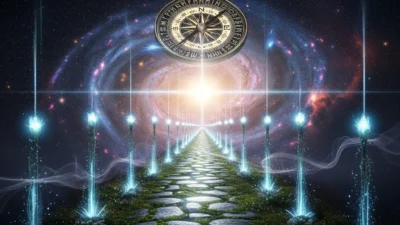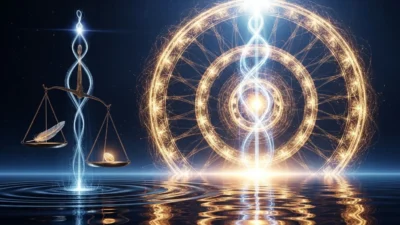

Fate symbolism represents the powerful idea that certain events in life are guided by destiny or a greater cosmic order. Across cultures, myths, and spiritual traditions, fate has been viewed as a force that shapes life paths, opportunities, and turning points. The symbols associated with fate often reflect the mysterious balance between free will and predetermined destiny.
From ancient mythology to modern philosophy, fate symbolism appears in stories, art, and cultural traditions as a reminder that life unfolds through both choice and circumstance. Understanding these symbols can offer insight into how humans interpret destiny and the journey of life.
What Is Fate Symbolism?
Fate symbolism refers to the images, objects, or ideas used to represent destiny and the belief that certain events are meant to happen. These symbols often reflect life’s unfolding path and the invisible forces believed to guide it.
Symbolically, fate may represent:
- Destiny and life purpose
- The path of personal growth
- Unavoidable life events
- Balance between choice and destiny
- The mysterious order of the universe
Fate symbolism often reminds people that life includes moments beyond human control, yet also invites reflection on personal decisions.
Historical Meaning of Fate
The concept of fate has existed in many ancient civilizations and philosophical traditions.
Ancient Greek Traditions
In ancient Greek thought, fate was often represented by powerful figures who controlled the thread of human life, symbolizing the idea that destiny unfolds according to a cosmic design.
Roman Beliefs
Roman culture embraced similar ideas about destiny, believing that the course of life was shaped by forces beyond human control.
Eastern Philosophies
In some Eastern traditions, fate is linked with cycles of life and the idea that actions influence future outcomes.
These historical perspectives show that fate symbolism has long been connected with both mystery and meaning.
Spiritual Meaning of Fate Symbolism ✨
Spiritually, fate symbolism often represents the belief that life events may carry purpose or lessons. Rather than suggesting that everything is fixed, these interpretations highlight the relationship between destiny and personal growth.
Spiritually, fate may symbolize:
- Life’s unfolding journey
- Lessons that shape personal growth
- Trust in the direction of life
- Balance between destiny and choice
- Connection with a larger cosmic plan
These meanings encourage reflection on how experiences contribute to understanding and development.
Common Symbols of Fate
Various symbols across cultures represent the concept of destiny and life paths.
| Symbol | Meaning | Cultural Association |
|---|---|---|
| Thread | The course of life | Ancient mythology |
| Wheel | Cycles of destiny | Philosophical traditions |
| Stars | Cosmic guidance | Universal symbolism |
| Path or road | Life journey | Cultural storytelling |
| Hourglass | Passage of time | Historical symbolism |
These symbols illustrate how fate is often connected with time, direction, and the unfolding of life events.
Fate Symbolism in Culture and Traditions
Many cultures include symbolic references to fate in their traditions and storytelling.
Mythological Stories
Legends often feature characters whose destinies are shaped by prophecy or cosmic forces.
Cultural Beliefs
Some traditions emphasize signs or omens believed to indicate future events or life paths.
Philosophical Teachings
Different philosophies explore the balance between destiny and personal choice, highlighting how individuals influence their own journeys.
These traditions show how fate symbolism helps people reflect on the meaning of life experiences.
Fate Symbolism in Literature and Art
Writers and artists frequently use fate symbolism to explore themes of destiny, purpose, and transformation.
Common themes include:
- Characters discovering their life purpose
- Unexpected events shaping personal journeys
- The tension between destiny and free will
- The mystery of life’s direction
Symbols like roads, stars, and threads often appear in stories and artworks to represent life’s unfolding narrative.
Fate Symbolism in Dreams
Dreams involving fate-related symbols may reflect thoughts about direction, purpose, or important life decisions.
| Dream Scenario | Possible Meaning | Emotional Theme |
|---|---|---|
| Walking a long road | Life journey | Reflection |
| Seeing stars guiding a path | Hope and direction | Inspiration |
| Holding a thread | Personal responsibility | Awareness |
| Standing at a crossroads | Important decision | Uncertainty |
| Watching a turning wheel | Life changes | Acceptance |
These interpretations often encourage reflection about choices and future possibilities.
Modern Interpretation of Fate Symbolism
In modern thought, fate symbolism is often interpreted as a balance between destiny and personal effort. While some events may seem beyond control, individuals still shape their paths through decisions and actions.
Today, fate may symbolize:
- Life’s unfolding opportunities
- Personal growth through experience
- The connection between choices and outcomes
- Trust in life’s direction
- The mystery of future possibilities
These interpretations emphasize both responsibility and openness to life’s surprises.
Symbols Associated With Fate
Several images are widely connected with the concept of fate and destiny.
- Threads or woven patterns
- Wheels or circular designs
- Stars and constellations
- Crossroads or pathways
- Hourglasses representing time
These symbols highlight the connection between destiny, time, and life’s direction.
Secondary Keywords
- fate symbolism meaning
- symbolism of destiny
- spiritual meaning of fate
- fate dream meaning
- symbols of destiny and life path
- fate symbolism in culture
Conclusion
Fate symbolism reflects humanity’s fascination with destiny, life paths, and the mysterious forces that shape experiences. Across cultures and traditions, symbols of fate remind people that life includes both choice and circumstance. By exploring these symbols, individuals can reflect on their personal journeys, decisions, and the opportunities that shape their futures.
Understanding fate symbolism encourages awareness, resilience, and appreciation for the unfolding story of life.
FAQs
What does fate symbolize?
Fate commonly symbolizes destiny, life purpose, and the idea that certain events are part of a larger life journey.
Is fate the same as destiny?
Fate and destiny are closely related, both referring to life’s path, though interpretations vary across cultures.
What symbols represent fate?
Threads, wheels, stars, crossroads, and hourglasses are common symbols representing fate and the passage of time.
What does dreaming about fate mean?
Dreams about fate often reflect thoughts about life direction, decisions, and personal purpose.
Can fate change?
Many modern interpretations suggest that while some circumstances may occur naturally, personal choices influence the direction of life.

Michael Anderson is a professional editor and senior contributor with a background in long-form content and strategic writing. He focuses on quality, structure, and credibility across all publications. Michael brings years of experience in content development and ensures high editorial standards for every project.