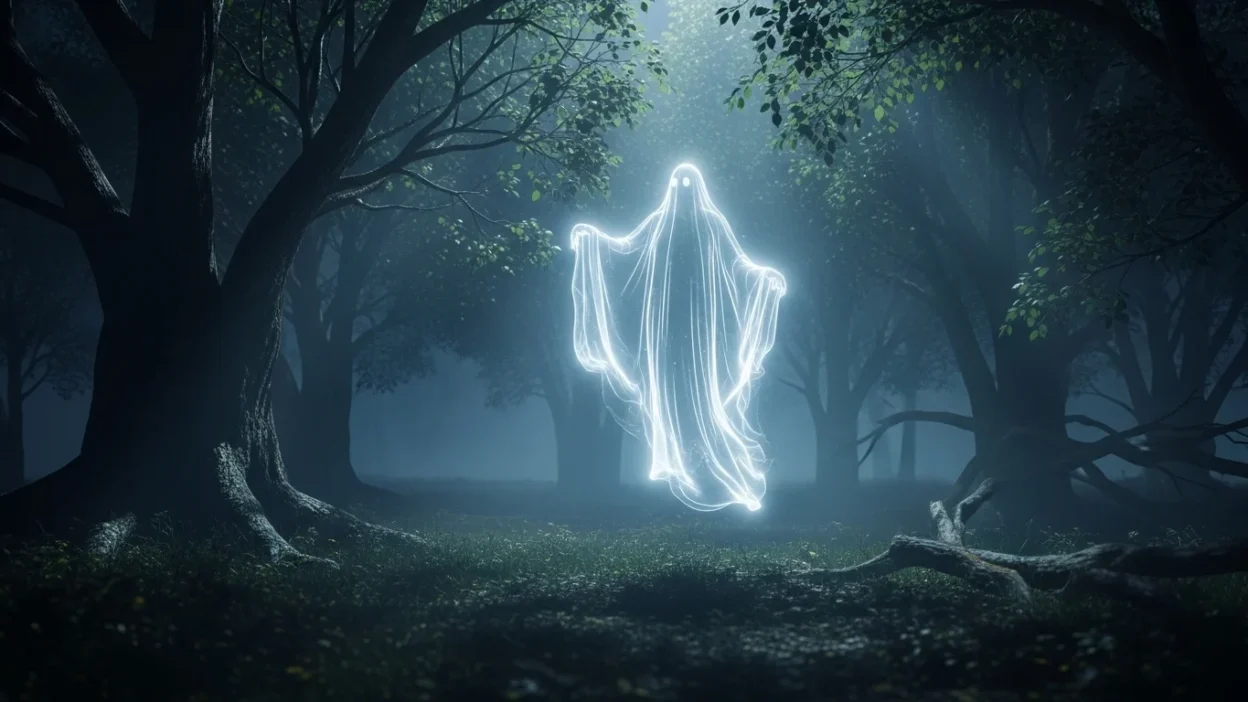
Ghost symbolism represents memory, the unseen world, unresolved emotions, and the lingering presence of the past. Across cultures and stories, ghosts symbolize spirits that exist beyond physical life, often reflecting humanity’s curiosity about life after death and the mysteries of existence.
Because ghosts appear as invisible or ethereal beings, they often symbolize the thin boundary between the physical world and the spiritual realm.
What Does Ghost Symbolism Mean?
At its core, ghost symbolism reflects memory and spiritual presence. Ghosts are often associated with things that remain even after physical existence ends.
Common symbolic meanings include:
- Memory of the past
- Spiritual presence
- Unresolved emotions
- Mystery and the unknown
- Transformation between worlds
- Reflection and remembrance
Ghosts symbolize the idea that experiences, emotions, and histories continue to influence the present.
Spiritual Meaning of Ghosts
Spiritually, ghosts symbolize the continuation of existence beyond the physical world.
Many traditions believe that the spirit or essence of a person continues after death. Teachings in the Quran and the Bible both emphasize that human existence continues beyond physical life, though interpretations differ across traditions.
In many spiritual beliefs, ghosts represent reminders of the spiritual dimension of life.
Emotional and Psychological Symbolism of Ghosts
Emotionally, ghosts often symbolize memories or feelings that linger.
Psychological meanings may include:
- Unresolved emotions
- Memories of loved ones
- Regret or unfinished business
- Reflection on the past
- Emotional healing
The idea of “ghosts of the past” is often used to describe lingering thoughts or experiences that influence the present.
Cultural and Historical Symbolism of Ghosts
Ghost stories appear in nearly every culture.
Ancestral Spirits
Many cultures believe that spirits of ancestors continue to watch over their families.
Folklore and Tradition
In Western literature, ghosts often symbolize unfinished stories or moral lessons.
Ghost symbolism often reflects humanity’s fascination with the unknown and the afterlife.
Ghost Symbolism in Literature and Art
In literature and art, ghosts frequently symbolize:
- Guilt or memory
- Moral warnings
- Hidden truths
- Unfinished stories
- Transformation or redemption
For example, the ghost in Hamlet symbolizes truth and the call for justice.
Artists often depict ghosts as transparent figures surrounded by light or mist to represent their otherworldly nature.
Ghost Symbolism in Dreams
Dreams about ghosts often relate to the past and emotional reflection.
| Dream Scenario | Possible Meaning |
|---|---|
| Friendly ghost | Guidance or memory |
| Frightening ghost | Unresolved fear |
| Talking ghost | Message from subconscious |
| Invisible presence | Hidden emotions |
| Disappearing ghost | Letting go of the past |
Ghost dreams often symbolize emotional healing or reflection.
Modern Interpretation of Ghost Symbolism
Today, ghost symbolism commonly represents:
- Memories that remain influential
- Emotional healing from the past
- Curiosity about the unknown
- Spiritual reflection
- Cultural fascination with mystery
In modern storytelling and film, ghosts often represent the connection between past and present.
Positive and Shadow Meanings of Ghost Symbolism
Positive Symbolism
- Memory and remembrance
- Spiritual reflection
- Emotional healing
- Awareness of the unseen
Shadow Symbolism
- Fear of the unknown
- Unresolved guilt
- Lingering trauma
- Emotional attachment to the past
Ghost symbolism reminds us that the past shapes the present, but it does not have to control the future.
Final Thoughts on Ghost Symbolism
Ghost symbolism reflects humanity’s curiosity about life beyond the physical world and the lingering influence of memory and emotion. Whether interpreted spiritually or psychologically, ghosts symbolize the unseen forces that shape human experience. They remind us that understanding the past can help bring clarity and peace in the present.
Frequently Asked Questions
What does a ghost symbolize spiritually?
Spiritually, a ghost can symbolize the presence of the unseen world and the continuation of spiritual existence.
What does dreaming about a ghost mean?
Dreaming about a ghost often reflects memories, unresolved emotions, or reflection on past experiences.
Why do ghosts appear in literature?
Ghosts are often used to symbolize hidden truths, guilt, justice, or unfinished stories.
Are ghosts always negative symbols?
No, ghosts can also symbolize guidance, memory, and connection with the past.

Sophia Reynolds is a digital writer and researcher with a focus on modern trends, productivity, and online education. She enjoys exploring new ideas and presenting them in a simple, reader-friendly way. Sophia is committed to creating informative and trustworthy content that helps audiences stay informed and inspired.