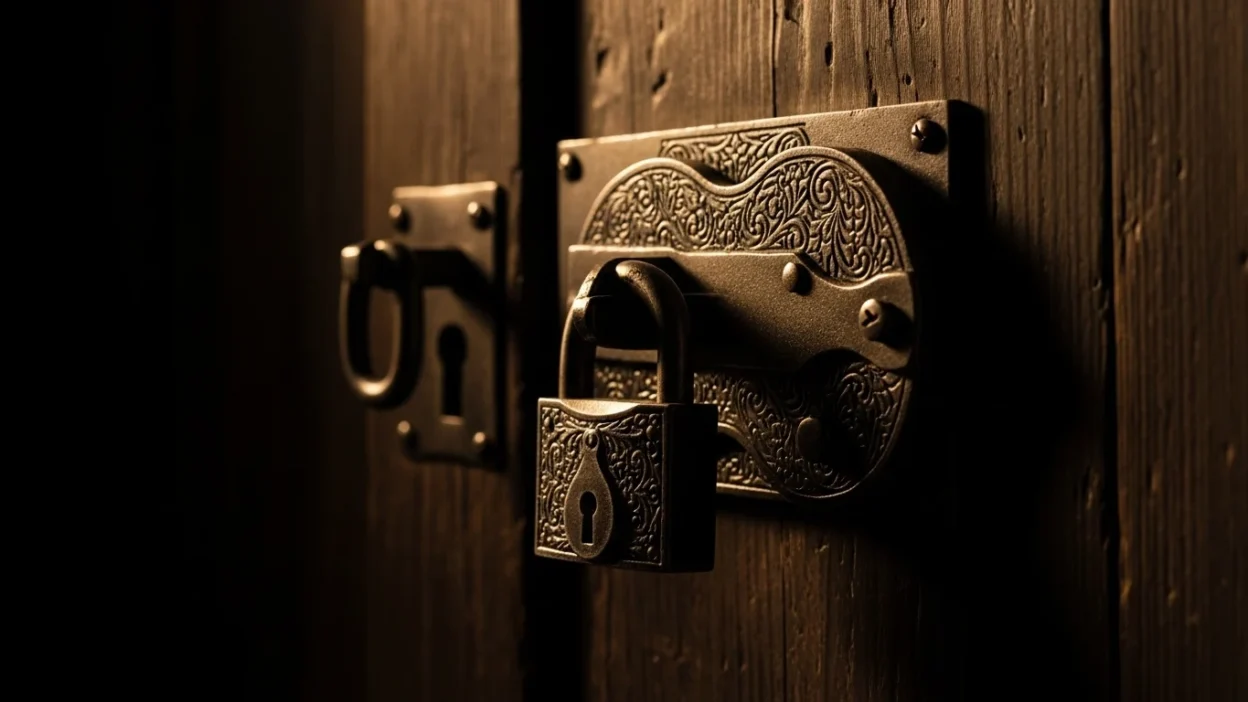
Lock symbolism represents protection, secrecy, and the control of access both physically and emotionally. A lock is designed to secure, protect, or restrict entry, making it a powerful symbol of boundaries, trust, and hidden truths. Across cultures, literature, and spiritual interpretations, locks symbolize what is kept safe, what is hidden, and what requires the right key to open.
From ancient times to modern life, lock symbolism reflects the balance between openness and protection, reminding us that not everything is meant to be easily accessed.
What Is Lock Symbolism?
Lock symbolism refers to the meanings associated with locks as objects of security and restriction. A lock represents both protection and limitation, depending on perspective.
Symbolically, a lock may represent:
- Security and protection
- Secrets and hidden truths
- Emotional or mental boundaries
- Control and authority
- Trust and privacy
These meanings highlight the lock as a symbol of both safety and restriction.
Historical Origins of Lock Symbolism
Locks have existed for thousands of years and have always been associated with safety and control.
Ancient Civilizations
Early locks were used to protect valuables, symbolizing security and ownership.
Medieval Period
Locks became more sophisticated, representing both physical protection and social status.
Cultural Symbolism
Over time, locks came to symbolize secrecy, hidden knowledge, and restricted access.
These historical developments helped establish the symbolic importance of locks.
Spiritual Meaning of Lock Symbolism ✨
Spiritually, lock symbolism often represents boundaries and the protection of inner self or personal energy. It reflects the idea that some aspects of life require trust, readiness, or the right moment to be revealed.
Spiritually, locks may symbolize:
- Emotional protection
- Guarding personal energy
- Hidden wisdom or knowledge
- The need for trust
- Readiness for transformation
These meanings emphasize the lock as a symbol of self-awareness and protection.
Common Symbolic Meanings of Locks
| Symbolic Element | Meaning | Interpretation |
|---|---|---|
| Closed lock | Protection or secrecy | Boundaries |
| Open lock | Freedom or access | Opportunity |
| Rusty lock | Neglect or forgotten issues | Reflection |
| Strong lock | Security and strength | Stability |
| Broken lock | Vulnerability or release | Change |
These symbolic elements highlight how locks represent both protection and transformation.
Lock Symbolism in Culture and Traditions
Locks appear in many cultural traditions and symbolic practices.
Symbol of Protection
Locks are often used to represent safeguarding valuables, ideas, or emotions.
Love and Commitment
In some traditions, locks symbolize lasting bonds or promises, representing trust and connection.
Secrecy and Privacy
Locks are frequently associated with hidden information or restricted access.
These cultural meanings reinforce the lock as a symbol of both security and trust.
Lock Symbolism in Literature and Art
Writers and artists often use locks as symbols of mystery and restriction.
Common themes include:
- Hidden secrets or forbidden knowledge
- Emotional barriers or guarded feelings
- The need to unlock truth or understanding
- The balance between security and freedom
Artists often depict locks in dark or mysterious settings to emphasize secrecy.
Lock Symbolism in Dreams
Dreams about locks often symbolize emotional states, restrictions, or the need for protection.
| Dream Scenario | Possible Meaning | Emotional Theme |
|---|---|---|
| Locked door | Feeling restricted | Frustration |
| Unlocking a lock | Finding solutions | Relief |
| Broken lock | Loss of control | Anxiety |
| Losing a key | Missed opportunity | Concern |
| Securing a lock | Need for protection | Safety |
These interpretations often reflect personal boundaries and emotional conditions.
Modern Interpretation of Lock Symbolism
In modern life, lock symbolism is often used metaphorically to describe security, privacy, and emotional boundaries.
Today, locks may symbolize:
- Personal space and privacy
- Emotional protection
- Control over access and information
- Trust and responsibility
- The balance between openness and security
These meanings show how lock symbolism continues to be relevant in everyday life.
Symbols Associated With Locks
Several images commonly appear with lock symbolism.
- Keys and keyholes
- Doors and gates
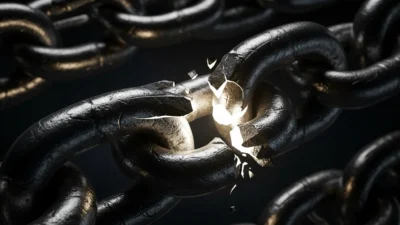
- Chains and barriers
- Safes and secure containers
- Hidden compartments
These symbols emphasize security, secrecy, and protection.
Secondary Keywords
- lock symbolism meaning
- spiritual meaning of lock
- lock dream meaning
- symbolism of locks in culture
- lock and key symbolism
- lock symbolism in dreams
Conclusion
Lock symbolism represents the balance between protection and restriction. As a symbol of security, secrets, and boundaries, the lock reminds us of the importance of safeguarding what matters while also recognizing when it is time to open up and allow access. Whether in dreams, culture, or personal reflection, locks symbolize the choices we make about trust, privacy, and transformation.
Understanding lock symbolism encourages awareness of boundaries, trust, and the importance of both protection and openness.
FAQs
What does a lock symbolize?
A lock symbolizes security, secrecy, protection, and control over access or boundaries.
Is lock symbolism positive or negative?
It can be both—representing safety and protection, but also restriction or limitation.
What does dreaming about a lock mean?
Dreaming about a lock may symbolize emotional barriers, restrictions, or the need for protection.
What does unlocking a lock symbolize?
Unlocking a lock symbolizes solutions, freedom, or gaining access to new opportunities.
What is the meaning of lock and key together?
Lock and key together symbolize access, trust, connection, and the ability to unlock hidden potential or opportunities.

Emily Carter is a content writer and editor based in the United States, specializing in lifestyle, wellness, and personal development topics. With a passion for clear and engaging storytelling, she creates content that connects with readers and delivers practical value. Emily focuses on making complex ideas easy to understand and relatable.