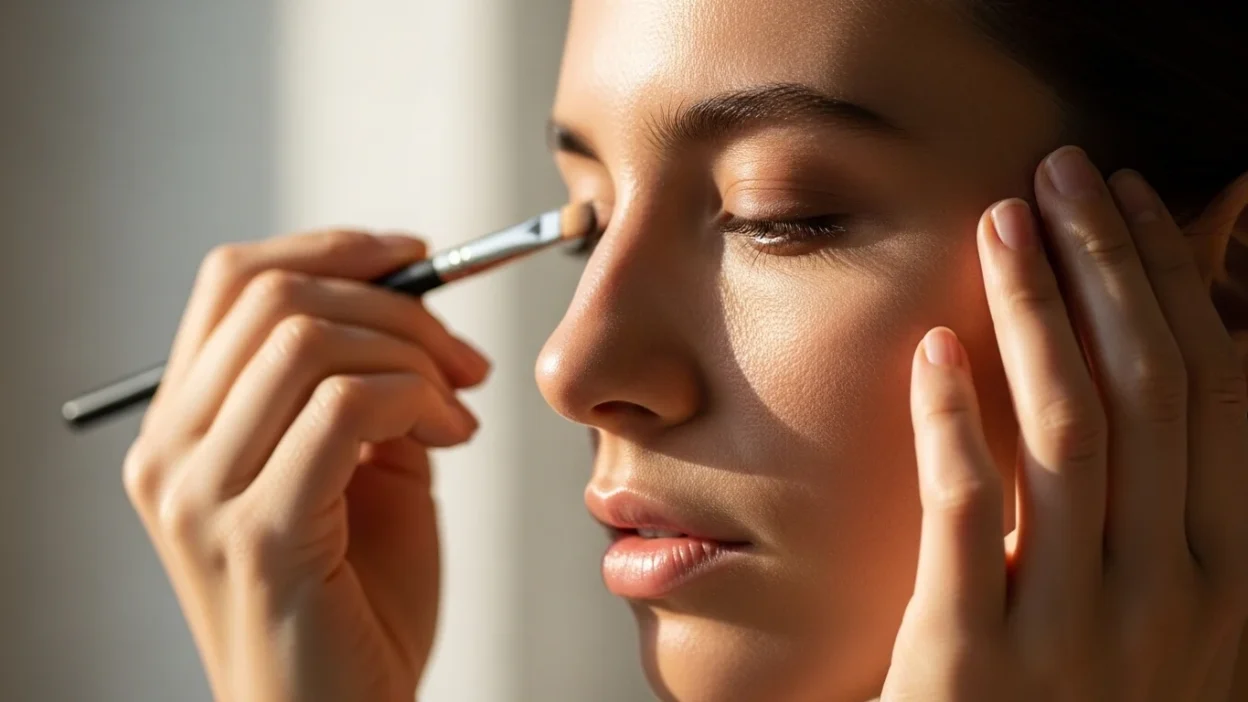
Makeup symbolism represents identity, creativity, transformation, and personal empowerment. Across cultures and history, makeup has been used not only to enhance appearance but also to express status, spirituality, confidence, and individuality. It is both an art form and a symbolic act of shaping how one presents themselves to the world.
Let’s explore the deeper meaning of makeup symbolism.
What Does Makeup Symbolism Mean?
At its core, makeup symbolism reflects self-expression and transformation. Applying makeup can symbolize stepping into a role, mood, or version of oneself.
Common symbolic meanings include:
- Identity and individuality
- Confidence and empowerment
- Transformation and reinvention
- Creativity and artistry
- Social status
- Ritual preparation
Makeup symbolizes the power to choose how we are seen.
Spiritual Meaning of Makeup
Spiritually, makeup has often symbolized protection and sacred ritual.
Sacred Markings
In ancient cultures, face paint and cosmetic markings were used in ceremonies and rituals. They symbolized spiritual protection, divine connection, or tribal belonging.
For example, in Ancient Egypt, kohl eyeliner was worn not only for beauty but also for spiritual protection and status.
Transformation of Energy
Makeup can symbolically represent stepping into a higher state of confidence or spiritual readiness.
Emotional and Psychological Symbolism of Makeup
Psychologically, makeup symbolizes control and self-confidence.
It may represent:
- Self-care and preparation
- Emotional armor
- Creativity and experimentation
- Mood enhancement
- Reclaiming identity
For some, applying makeup is a ritual that signals readiness and self-assurance.
Cultural and Historical Symbolism of Makeup
Makeup has deep cultural roots across civilizations.
Royalty and Status
In many ancient societies, makeup indicated wealth and power.
In regions influenced by traditions found in texts like the Vedas, body decoration and cosmetics were sometimes associated with celebration and sacred beauty.
Theater and Performance
In theater traditions worldwide, makeup symbolizes character transformation and storytelling.
Makeup has long been used to reflect both societal ideals and artistic expression.
Makeup Symbolism in Literature and Art
In literature and visual art, makeup often symbolizes:
- Hidden identity
- Dual nature
- Confidence or insecurity
- Social masks
- Transformation
Artists may depict dramatic makeup to show bold personality or inner complexity.
Makeup Symbolism in Dreams
Dreams about makeup often reflect identity and perception.
| Dream Scenario | Symbolic Meaning |
|---|---|
| Applying makeup | Preparing for change |
| Smudged makeup | Emotional vulnerability |
| Removing makeup | Revealing true self |
| Excessive makeup | Fear of judgment |
| Perfect makeup | Confidence and control |
Makeup dreams usually relate to how you see yourself or how you believe others see you.
Modern Interpretation of Makeup Symbolism
Today, makeup symbolism includes:
- Self-expression
- Gender expression
- Confidence building
- Artistic creativity
- Social identity
Makeup can symbolize empowerment when chosen freely and authentically.
Positive and Shadow Meanings of Makeup Symbolism
Positive Symbolism
- Confidence
- Creativity
- Empowerment
- Self-care
- Expression
Shadow Symbolism
- Insecurity
- Social pressure
- Hiding true feelings
- Obsession with appearance
Makeup symbolism reminds us that beauty can be both expressive and authentic when rooted in self-acceptance.
Final Thoughts on Makeup Symbolism
Makeup symbolism reflects transformation, creativity, and identity. Whether worn for art, culture, performance, or daily confidence, makeup symbolizes the freedom to shape one’s outward expression. It can be both a tool of empowerment and a reflection of inner truth.
Frequently Asked Questions
What does makeup symbolize spiritually?
Spiritually, makeup can symbolize protection, ritual preparation, and transformation.
What does dreaming about makeup mean?
Dreaming about makeup often reflects identity, confidence, or concerns about perception.
Is makeup symbolism always about beauty?
No, it also represents creativity, empowerment, performance, and social identity.
Why is makeup considered symbolic?
Because it changes outward appearance intentionally, makeup symbolizes transformation and self-expression.
Emily Carter is a content writer and editor based in the United States, specializing in lifestyle, wellness, and personal development topics. With a passion for clear and engaging storytelling, she creates content that connects with readers and delivers practical value. Emily focuses on making complex ideas easy to understand and relatable.