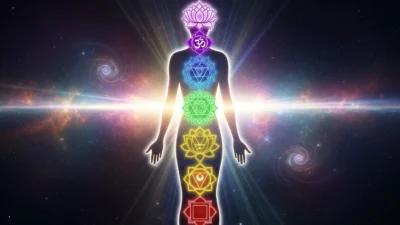

Meditation symbolism represents inner peace, self-awareness, and spiritual awakening. For thousands of years, meditation has symbolized the journey inward—quieting the mind, calming emotions, and discovering deeper wisdom. Across spiritual traditions and cultures, meditation reflects the human desire to find balance, clarity, and harmony within oneself.
Because meditation focuses on stillness and mindfulness, it often symbolizes enlightenment, mental clarity, and connection with the deeper aspects of consciousness.
What Does Meditation Symbolism Mean?
At its core, meditation symbolism represents the practice of turning inward to achieve awareness and calm. It symbolizes the ability to pause, reflect, and observe thoughts without judgment.
Common meanings associated with meditation symbolism include:
- Inner peace and calm
- Self-awareness and mindfulness
- Spiritual awakening
- Mental clarity and focus
- Balance and harmony
- Personal transformation
Through these meanings, meditation symbolizes the path toward greater understanding of oneself and the world.
Spiritual Meaning of Meditation
Spiritually, meditation symbolizes the journey toward enlightenment and deeper consciousness. Many spiritual traditions view meditation as a way to quiet the mind and connect with universal truth.
Meditation may symbolize:
- Awakening of spiritual awareness
- Connection with inner wisdom
- Freedom from distractions and illusions
- Harmony between mind, body, and spirit
- A deeper understanding of existence
In this sense, meditation represents both a practice and a symbolic journey toward enlightenment.
Meditation Symbolism in Religious Traditions
Meditation appears in many spiritual and religious traditions around the world.
Teachings within the Bhagavad Gita describe meditation as a path to self-realization and spiritual balance. Likewise, many teachings in the Quran encourage reflection and contemplation as ways to deepen spiritual awareness.
Across traditions, meditation often symbolizes:
- Reflection on spiritual teachings
- Awareness of the present moment
- Spiritual discipline and patience
- The pursuit of enlightenment
These practices emphasize mindfulness and the importance of inner reflection.
Historical and Cultural Symbolism of Meditation
Meditation has been practiced for thousands of years in different cultures.
Ancient Spiritual Practices
Ancient civilizations used meditation techniques for spiritual insight, healing, and mental discipline. These practices often appeared in temples, monasteries, and sacred retreats.
Cultural Influence
Meditation became a symbol of wisdom, calmness, and enlightenment in many cultures. Images of meditating figures often represent patience, serenity, and spiritual mastery.
Because of its long history, meditation symbolizes humanity’s search for inner peace and understanding.
Meditation Symbolism in Art and Literature
In art and literature, meditation often symbolizes stillness, wisdom, and spiritual awakening.
Artists and writers use meditation imagery to represent:
- Deep contemplation
- Inner harmony
- Enlightenment and wisdom
- Escape from worldly distractions
Meditating figures are frequently depicted surrounded by peaceful natural environments, emphasizing calmness and balance.
Meditation Symbolism in Dreams
Dreams involving meditation often symbolize the need for calm, reflection, or emotional balance.
| Dream Scenario | Possible Meaning |
|---|---|
| Meditating alone | Desire for inner peace |
| Seeing someone meditating | Seeking wisdom |
| Peaceful meditation space | Emotional balance |
| Interrupted meditation | Stress or distraction |
| Deep meditation state | Spiritual awakening |
Such dreams may suggest that the dreamer needs quiet time for reflection or emotional clarity.
Modern Interpretation of Meditation Symbolism
In modern life, meditation symbolism has become strongly connected with mindfulness and mental well-being.
Today, meditation may symbolize:
- Stress relief and relaxation
- Emotional balance
- Mindfulness and awareness
- Personal growth and self-discovery
- Mental clarity and focus
Meditation practices are widely used to support both spiritual development and psychological health.
Positive and Shadow Meanings of Meditation Symbolism
Like many symbols, meditation can have both positive and misunderstood interpretations.
Positive Interpretations
- Calmness and peace
- Mental clarity
- Spiritual insight
- Emotional healing
Shadow Interpretations
- Escaping responsibilities
- Isolation from real-life problems
- Overemphasis on detachment
Balanced meditation encourages mindfulness while remaining engaged with life.
Final Thoughts on Meditation Symbolism
Meditation symbolism reflects the powerful human desire for peace, clarity, and spiritual understanding. Through stillness and mindfulness, meditation symbolizes the journey toward self-awareness and enlightenment. Whether practiced in ancient spiritual traditions or modern wellness routines, meditation continues to inspire people to slow down, reflect, and discover deeper meaning in their lives.
By exploring meditation symbolism, we learn how silence, patience, and awareness can open the door to wisdom and inner harmony.
Frequently Asked Questions
What does meditation symbolize spiritually?
Meditation symbolizes spiritual awakening, inner peace, and the journey toward deeper awareness and enlightenment.
Why is meditation considered powerful symbolically?
Meditation represents the ability to quiet the mind, reflect on life, and connect with deeper spiritual truths.
What does dreaming about meditation mean?
Dreaming about meditation often suggests a need for calmness, reflection, or emotional balance.
Can meditation symbolize personal transformation?
Yes. Meditation often symbolizes growth, healing, and greater self-understanding.
Does meditation symbolism relate to mindfulness?
Yes. Meditation symbolism strongly relates to mindfulness, awareness, and living in the present moment.

Emily Carter is a content writer and editor based in the United States, specializing in lifestyle, wellness, and personal development topics. With a passion for clear and engaging storytelling, she creates content that connects with readers and delivers practical value. Emily focuses on making complex ideas easy to understand and relatable.