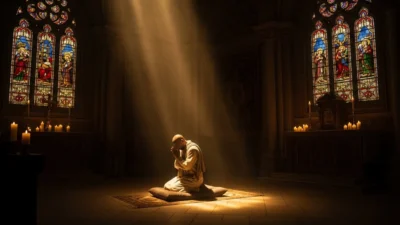
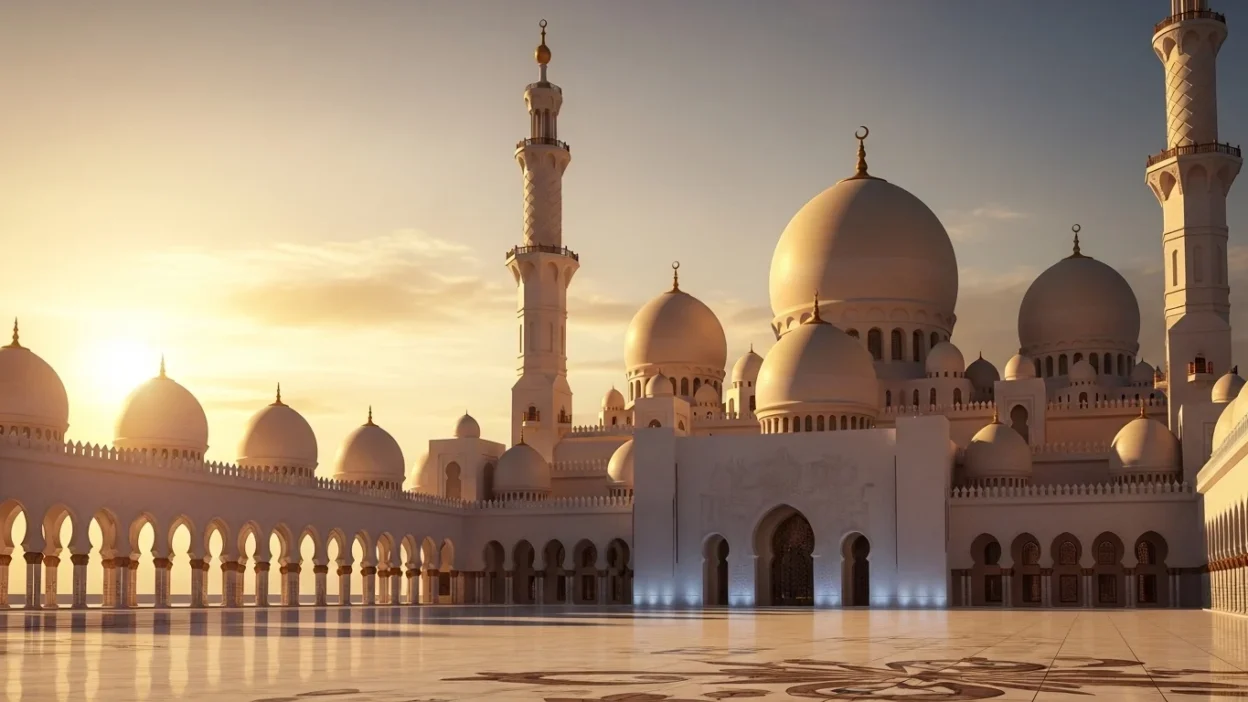
Mosque symbolism represents faith, devotion, unity, and a sacred place for prayer and reflection. In Islamic culture, a mosque is more than just a building it symbolizes a spiritual center where believers gather to worship, seek guidance, and strengthen their connection with God.
Throughout history, mosques have been powerful symbols of community, humility, and spiritual discipline. Their architecture, traditions, and rituals reflect deep spiritual meanings that inspire faith and devotion.
What Does Mosque Symbolism Mean?
At its core, mosque symbolism represents a sacred space dedicated to worship, prayer, and spiritual learning. Mosques symbolize humility before God and unity among believers.
Common meanings associated with mosque symbolism include:
- Faith and devotion
- Unity of the community
- Spiritual discipline
- Peace and reflection
- Guidance through prayer
- Respect for sacred teachings
Because of these meanings, mosques are often seen as places where people reconnect with their spiritual purpose.
Spiritual Meaning of the Mosque
Spiritually, the mosque symbolizes a place where believers turn their hearts toward God through prayer and reflection. It represents humility, obedience, and the pursuit of spiritual purity.
In the Quran, mosques are described as places dedicated to worship and remembrance of God. These sacred spaces encourage believers to strengthen their faith and live according to spiritual principles.
Spiritually, mosque symbolism may represent:
- Devotion and submission to God
- Spiritual purification
- Guidance through prayer
- Community worship
- Inner peace and reflection
The mosque therefore symbolizes both a place of prayer and a center for spiritual learning.
Historical and Cultural Symbolism of Mosques
Mosques have played a vital role in Islamic history and culture.
Centers of Learning
Historically, many mosques served as places where scholars taught religious knowledge, philosophy, and science. They became important centers of intellectual and spiritual growth.
Architectural Symbolism
Mosques often feature distinctive elements such as domes, minarets, and geometric designs. These architectural features symbolize harmony, order, and the beauty of creation.
These designs reflect the Islamic appreciation for balance, simplicity, and spiritual reflection.
Mosque Symbolism in Art and Literature
In art and literature, mosques often symbolize peace, devotion, and spiritual unity.
Writers and artists use mosque imagery to represent:
- Faith and humility
- Community and belonging
- Spiritual reflection
- The beauty of sacred architecture
Mosques are frequently depicted as serene places that inspire contemplation and spiritual calm.
Mosque Symbolism in Dreams
Dreaming about a mosque often symbolizes spiritual reflection or a desire for guidance.
| Dream Scenario | Possible Meaning |
|---|---|
| Entering a mosque | Seeking spiritual guidance |
| Praying in a mosque | Inner peace and devotion |
| Seeing a bright mosque | Faith and hope |
| Empty mosque | Feeling spiritually distant |
| Large mosque gathering | Desire for community |
Such dreams may encourage the dreamer to reconnect with faith, values, or spiritual discipline.
Modern Interpretation of Mosque Symbolism
In modern life, mosque symbolism continues to represent spiritual devotion and community unity.
Today, mosques may symbolize:
- Faith and spiritual discipline
- Community support and unity
- Cultural heritage
- Peaceful reflection and prayer
- Charity and compassion
For many communities, mosques remain centers of both spiritual practice and social connection.
Positive and Shadow Meanings of Mosque Symbolism
Mosque symbolism can carry different interpretations depending on context.
Positive Interpretations
- Faith and devotion
- Unity and community
- Spiritual guidance
- Peace and reflection
Shadow Interpretations
- Misinterpretation of religious teachings
- Cultural misunderstandings
- Religious division when misused
Understanding the deeper symbolism helps promote respect and appreciation for sacred traditions.
Final Thoughts on Mosque Symbolism
Mosque symbolism represents faith, humility, and the unity of believers in worship. As sacred spaces dedicated to prayer and reflection, mosques remind people of the importance of spiritual discipline, compassion, and community support. Throughout history and in modern life, mosques continue to inspire devotion and serve as powerful symbols of faith and cultural identity.
Exploring mosque symbolism helps us better understand how sacred spaces shape spiritual practices and bring communities together.
Frequently Asked Questions
What does a mosque symbolize spiritually?
A mosque symbolizes devotion to God, spiritual discipline, and a sacred place for prayer and reflection.
Why are mosques important in Islam?
Mosques are important because they serve as places for prayer, community gatherings, learning, and spiritual guidance.
What does dreaming about a mosque mean?
Dreaming about a mosque often represents a search for spiritual peace, guidance, or a deeper connection with faith.
What do mosques represent culturally?
Culturally, mosques represent Islamic heritage, community unity, and centers of learning and charity.
Can a mosque symbolize peace?
Yes. Mosques often symbolize peace, humility, and devotion through prayer and spiritual reflection.

Emily Carter is a content writer and editor based in the United States, specializing in lifestyle, wellness, and personal development topics. With a passion for clear and engaging storytelling, she creates content that connects with readers and delivers practical value. Emily focuses on making complex ideas easy to understand and relatable.