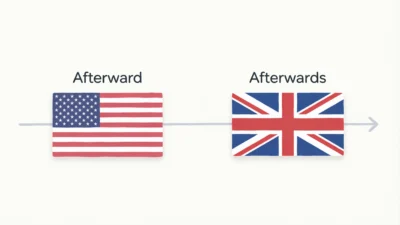

“Organizing” and “organising” have the same meaning, pronunciation, and grammar. The only real difference is the style of English being used.
The key idea: American spelling vs British spelling.
Understanding the difference will help you write correctly depending on your audience or region.
Quick Answer
- ✅ Organizing – American English spelling
- ✅ Organising – British English spelling
- ✏️ Remember: -ize = American, -ise = British
Clear Explanation
What Does “Organizing” Mean?
Organizing is the American English spelling of the verb organize.
👉 It means:
- arranging things properly
- planning or preparing something
- managing activities or systems
Examples:
- She is organizing her desk.
- They are organizing a school event.
- He enjoys organizing files.
- Volunteers are organizing donations.
- The company is organizing training sessions.
👉 “Organizing” is commonly used in:
- the United States
- American websites
- U.S. schools and businesses
- American publications
Common Uses of “Organizing”
1. Arranging Things
Examples:
- organizing books
- organizing documents
Example Sentence:
- She is organizing the kitchen shelves.
2. Planning Events
Examples:
- organizing a party
- organizing a meeting
Example Sentence:
- Students are organizing a charity event.
3. Managing Systems
Examples:
- organizing information
- organizing schedules
Example Sentence:
- The manager is organizing the workflow.
What Does “Organising” Mean?
Organising is the British English spelling of the same word.
👉 It has exactly the same meaning:
- arranging
- planning
- managing
Examples:
- She is organising the conference.
- They are organising supplies.
- He likes organising paperwork.
- Staff are organising travel schedules.
- The school is organising a competition.
👉 “Organising” is commonly used in:
- the United Kingdom
- Australia
- New Zealand
- many Commonwealth countries
Common Uses of “Organising”
1. Event Preparation
Examples:
- organising celebrations
- organising meetings
Example Sentence:
- The team is organising a fundraiser.
2. Arranging Items
Examples:
- organising files
- organising clothes
Example Sentence:
- She spends weekends organising her room.
Key Difference
| Feature | Organizing | Organising |
|---|---|---|
| Meaning | Same | Same |
| English Style | American English | British English |
| Preferred In | United States | UK/Commonwealth |
| Pronunciation | Same | Same |
Which One to Use and When
Use “Organizing” When:
- Writing American English
- Writing for U.S. audiences
- Following American spelling rules
Examples:
- organizing files
- organizing events
- organizing schedules
- organizing supplies
- organizing data
Example Sentences:
- She is organizing the office.
- We are organizing a family trip.
- The teacher is organizing student records.
Use “Organising” When:
- Writing British English
- Writing for UK or Commonwealth audiences
- Following British spelling conventions
Examples:
- organising files
- organising meetings
- organising information
- organising supplies
- organising activities
Example Sentences:
- The school is organising a sports day.
- He enjoys organising his notes.
- They are organising transportation.
Common Mistakes People Make
1. Mixing American and British Spelling
Avoid using:
- organizing
and - organising
in the same document unless necessary.
2. Thinking One Is Incorrect
Both are correct.
3. Forgetting Audience Style
Choose spelling based on:
- country
- publication style
- audience expectations
4. Confusing “-ize” and “-ise” Rules
Many British publications also accept:
- organize
- organizing
though “organise” is common in British English.
5. Inconsistent Writing
Professional writing should keep one spelling style consistently.
Easy Memory Trick
👉 -ize = American English
👉 -ise = British English
Think:
- organize → USA style
- organise → UK style
Real-Life Examples
Correct Use of “Organizing”
- The company is organizing a conference.
- She enjoys organizing her workspace.
- Volunteers are organizing donations.
Correct Use of “Organising”
- The council is organising a festival.
- He is organising travel arrangements.
- Students are organising a community project.
Practice Exercise
Fill in the blanks:
- American English usually uses “______.”
- British English often uses “______.”
- Both words mean arranging or planning.
Answers:
- organizing
- organising
- true
Quick Quiz
- Which spelling is American English?
a) Organising
b) Organizing - Which spelling is British English?
a) Organizing
b) Organising - Do both words have the same meaning?
a) Yes
b) No
Correct Answers:
- b) Organizing
- b) Organising
- a) Yes
Why This Confusion Happens
The confusion happens because:
- both spellings are correct
- pronunciation is identical
- English spelling differs by region
However:
- organizing is American English
- organising is British English
Helpful Tip for Better Writing
Choose one spelling style and stay consistent:
- American English → organizing
- British English → organising
Conclusion
The difference between “organizing” and “organising” is only regional spelling. Both words mean arranging, Planning, or managing something.
👉 Organizing = American English
👉 Organising = British English
Using the correct regional spelling will make your writing look more polished and professional.

Emily Carter is a content writer and editor based in the United States, specializing in lifestyle, wellness, and personal development topics. With a passion for clear and engaging storytelling, she creates content that connects with readers and delivers practical value. Emily focuses on making complex ideas easy to understand and relatable.