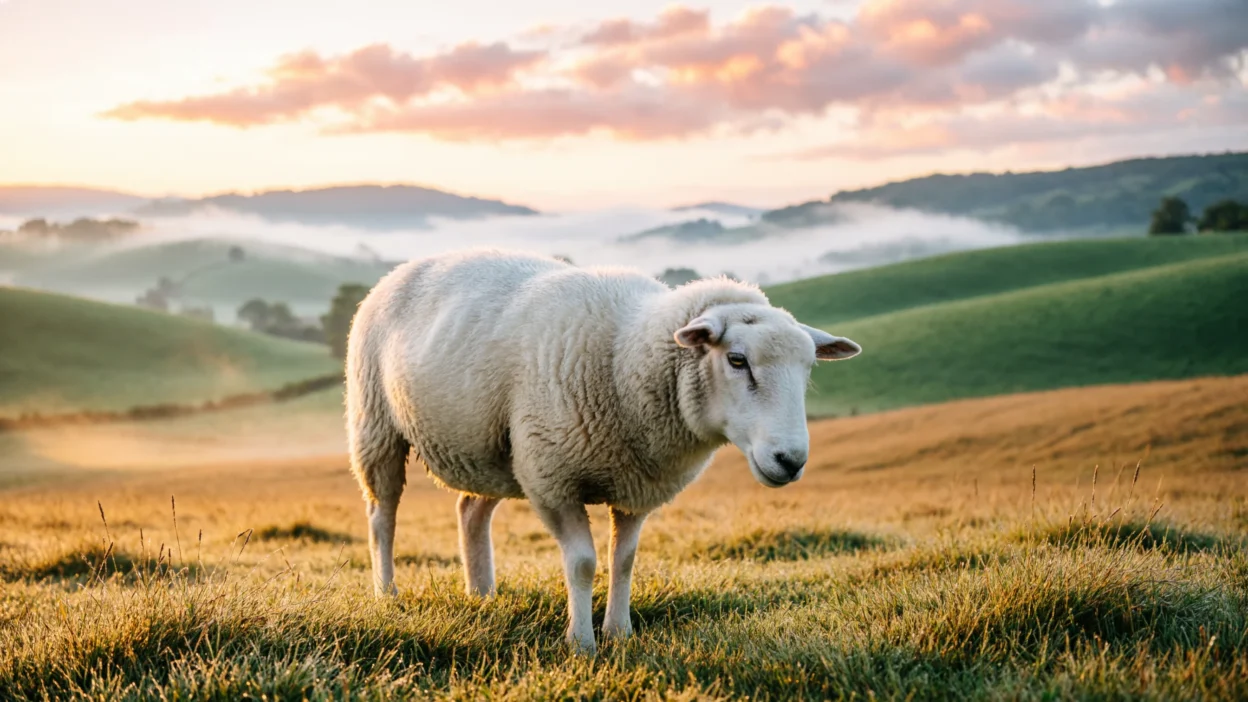
Sheep symbolism represents innocence, peace, trust, humility, and spiritual guidance. Known for their gentle nature and strong flock bonds, sheep symbolize purity of heart and the importance of community. Across religious texts, ancient cultures, folklore, and modern interpretations, the sheep carries deep meanings connected to faith, sacrifice, protection, and quiet resilience.
Let’s explore the powerful symbolism of the sheep in spirituality, history, dreams, and everyday life.
What Does a Sheep Symbolize?
At its core, sheep symbolism reflects gentleness and trust. Sheep are calm animals that thrive in groups, symbolizing unity, cooperation, and shared strength.
Core Symbolic Meanings
- Innocence and purity
- Peace and gentleness
- Faith and trust
- Community and unity
- Sacrifice and devotion
- Vulnerability with strength
The sheep teaches that true strength often appears in quiet forms.
Spiritual Meaning of Sheep Symbolism
Spiritually, the sheep is a symbol of faith, surrender, and divine protection. It represents a trusting heart guided by higher wisdom.
Faith and Devotion
Sheep are strongly connected to spiritual teachings about belief and obedience. They symbolize surrender to divine guidance and trust in a higher plan.
Inner Peace and Calm
The sheep represents serenity and emotional balance. Spiritually, it encourages living with kindness and compassion.
Vulnerability as Strength
Though sheep appear fragile, they survive through unity and awareness. This symbolizes emotional honesty and the courage to remain gentle in a harsh world.
Sheep symbolism reminds us that softness is not weakness—it is spiritual power.
Sheep Symbolism in History and Culture
Ancient Symbolism
In ancient civilizations, sheep symbolized wealth, abundance, and survival. Wool and milk were essential resources, making sheep powerful symbols of prosperity and sustenance.
They represented:
- Fertility
- Provision
- Stability
- Life support
Biblical Symbolism
In the Bible, sheep hold deep spiritual meaning. They symbolize faith, humility, and divine guidance. The image of the shepherd and flock represents protection and spiritual leadership.
Sheep in biblical context often symbolize:
- Obedience and faith
- Sacrifice
- Guidance and protection
- Community of believers
The sheep reflects trust in spiritual direction and moral responsibility.
Cultural and Folklore Meaning
In folklore, sheep often symbolize innocence and simplicity. They represent harmony and the importance of working together.
However, sheep can also symbolize blind conformity when awareness is absent. This dual meaning teaches the importance of thoughtful faith.
Sheep Symbolism in Literature and Art
In literature, sheep are often portrayed as symbols of purity, vulnerability, and moral testing. Artists use sheep imagery to represent peace, pastoral beauty, and spiritual themes.
Sheep imagery often conveys:
- Calm landscapes
- Simplicity of life
- Moral lessons
- Emotional innocence
They symbolize the quiet side of human nature.
Sheep Symbolism in Dreams
Dreaming about sheep often relates to emotional peace, spiritual growth, or social belonging.
Common Sheep Dream Meanings
| Dream Situation | Possible Meaning |
|---|---|
| Seeing a flock of sheep | Community and harmony |
| White sheep | Purity and peace |
| Lost sheep | Feeling disconnected |
| Caring for sheep | Responsibility and compassion |
| Sheep following you | Leadership or guidance |
Sheep dreams often encourage balance between independence and belonging.
Modern Meaning of Sheep Symbolism
Today, sheep symbolism carries both positive and cautionary meanings.
Positive Modern Interpretations
- Calm and peaceful mindset
- Loyalty and unity
- Compassion and empathy
- Trust in life’s process
Cautionary Interpretations
- Blind conformity
- Fear of individuality
- Avoiding personal responsibility
Modern sheep symbolism reminds us to maintain kindness while thinking independently.
Positive and Negative Meanings of Sheep Symbolism
Positive Interpretations
- Gentleness
- Faith
- Unity
- Peace
- Compassion
- Spiritual surrender
Negative Interpretations
- Naivety
- Passivity
- Lack of independent thought
The sheep teaches balance between trust and awareness.
Conclusion
Sheep symbolism represents innocence, faith, unity, and quiet strength. From ancient prosperity symbols to deep spiritual meanings in religious traditions, the sheep carries a message of peace and trust. It reminds us that compassion, humility, and cooperation are powerful forces.
The sheep’s wisdom encourages us to stay gentle, remain faithful, and value the strength found in unity.
FAQs About Sheep Symbolism
1. What does a sheep symbolize spiritually?
Spiritually, a sheep symbolizes faith, humility, surrender to guidance, and emotional peace.
2. Is sheep symbolism positive or negative?
It is mostly positive, representing innocence and unity, but can warn against blind conformity.
3. What does dreaming about sheep mean?
Sheep dreams often symbolize peace, belonging, compassion, or spiritual reflection.
4. Why are sheep important in religious symbolism?
Sheep represent sacrifice, devotion, and trust in divine leadership.
5. What does a white sheep symbolize?
A white sheep symbolizes purity, innocence, and spiritual clarity.

Emily Carter is a content writer and editor based in the United States, specializing in lifestyle, wellness, and personal development topics. With a passion for clear and engaging storytelling, she creates content that connects with readers and delivers practical value. Emily focuses on making complex ideas easy to understand and relatable.