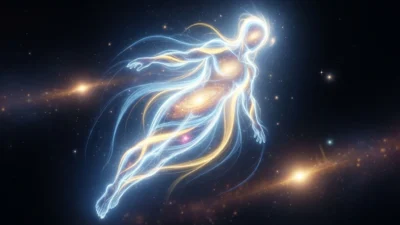
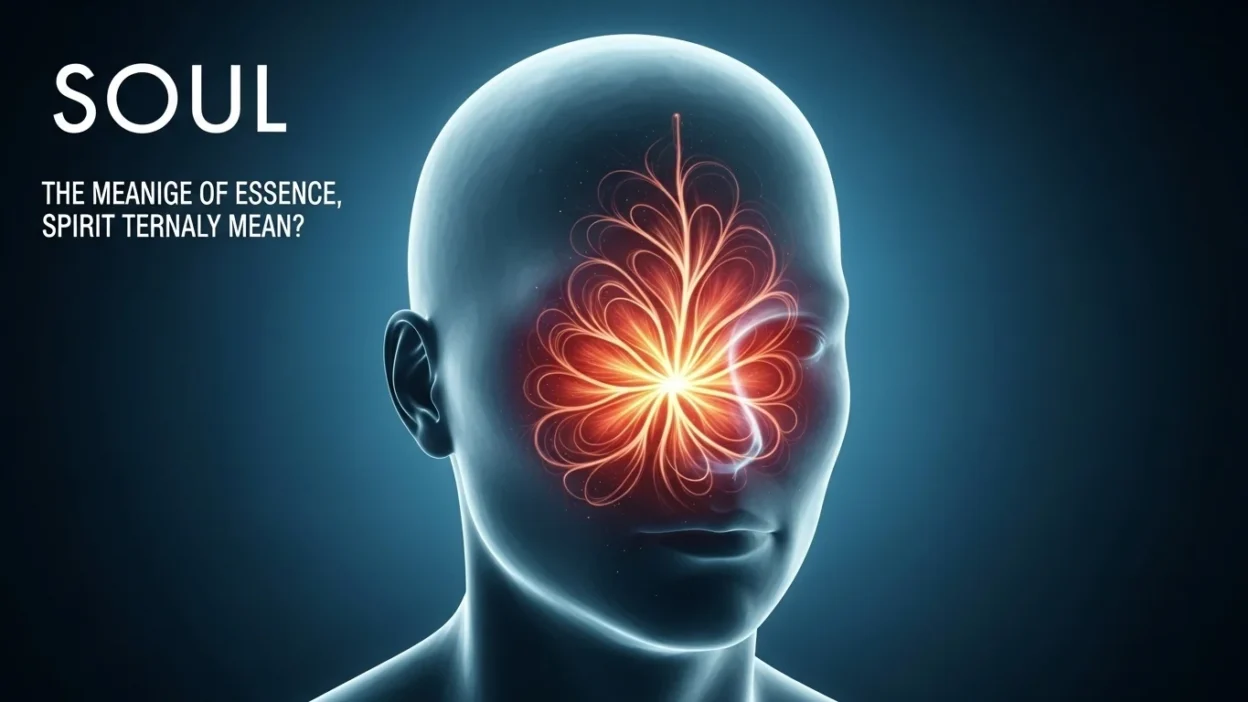
Soul symbolism represents the essence of life, spiritual identity, and the deepest core of a human being. Across religions, philosophies, and cultures, the soul is believed to be the immortal part of a person—the inner spirit that carries consciousness, morality, and purpose beyond the physical body.
Because it is often seen as eternal and invisible, the soul symbolizes truth, spiritual depth, and the connection between humanity and the divine.
What Does Soul Symbolism Mean?
At its core, soul symbolism reflects inner essence and spiritual existence. The soul represents who a person truly is beyond physical appearance.
Common symbolic meanings include:
- Inner essence and identity
- Spiritual energy
- Eternal life
- Moral consciousness
- Inner truth and authenticity
- Connection to the divine
The soul symbolizes the deepest level of human existence and meaning.
Spiritual Meaning of the Soul
Spiritually, the soul represents the eternal spirit and connection to higher reality.
In many religious traditions, the soul is believed to continue existing beyond physical life. Teachings in the Quran describe the soul as a divine creation connected to God and accountable for human actions.
Similarly, spiritual ideas in the Bible often describe the soul as the eternal essence that lives beyond the body.
Many philosophies view the soul as the source of conscience, compassion, and spiritual awareness.
Emotional and Psychological Symbolism of the Soul
Emotionally, the soul symbolizes authenticity and deep emotional truth.
It may represent:
- Inner peace
- Personal identity
- Emotional depth
- Moral values
- Compassion and empathy
When people refer to someone as having a “beautiful soul,” they usually mean that the person shows kindness, sincerity, and emotional wisdom.
Cultural and Historical Symbolism of the Soul
Throughout history, cultures have expressed ideas about the soul in different ways.
Ancient Philosophy
Philosophers such as Plato described the soul as the eternal part of the human being that seeks knowledge and truth.
Spiritual Traditions
In many traditions, the soul represents the divine spark within every person.
These beliefs have shaped ethics, religion, and philosophy for thousands of years.
Soul Symbolism in Literature and Art
In literature and art, the soul often symbolizes:
- Inner truth
- Spiritual awakening
- Personal transformation
- Moral struggle
- Eternal love or devotion
Artists and writers frequently explore the soul as the deepest dimension of human experience.
Soul Symbolism in Dreams
Dreams involving the soul often reflect spiritual awareness and emotional insight.
| Dream Scenario | Possible Meaning |
|---|---|
| Seeing a glowing spirit | Spiritual awakening |
| Losing the soul | Identity confusion |
| Soul leaving the body | Major life transformation |
| Meeting another soul | Deep emotional connection |
| Light surrounding the soul | Inner peace or healing |
Soul-related dreams often symbolize self-discovery and spiritual growth.
Modern Interpretation of Soul Symbolism
Today, soul symbolism commonly represents:
- Authentic self-expression
- Spiritual exploration
- Personal growth
- Emotional depth
- Inner peace and mindfulness
In modern language, phrases like “soulful,” “soulmate,” or “soul-searching” reflect the enduring importance of the concept.
Positive and Shadow Meanings of Soul Symbolism
Positive Symbolism
- Inner truth
- Spiritual wisdom
- Compassion
- Eternal connection
- Authentic identity
Shadow Symbolism
- Loss of direction
- Emotional emptiness
- Moral conflict
- Spiritual confusion
Soul symbolism reminds us that meaning and purpose often come from understanding our inner selves.
Final Thoughts on Soul Symbolism
Soul symbolism reflects the deepest dimension of human existence. It represents identity, morality, and spiritual connection beyond the physical world. Across cultures and centuries, the soul has symbolized the eternal spark that gives life purpose and meaning. Understanding the soul reminds us to nurture compassion, authenticity, and inner wisdom.
Frequently Asked Questions
What does the soul symbolize spiritually?
Spiritually, the soul symbolizes the eternal essence of a person and the connection between humanity and the divine.
What does dreaming about the soul mean?
Dreaming about the soul often represents spiritual awareness, emotional truth, or personal transformation.
How is the soul different from the mind?
Symbolically, the mind represents thought and awareness, while the soul represents spiritual identity and eternal essence.
Why is the soul important in symbolism?
The soul represents the deepest meaning of life, reflecting identity, morality, and spiritual connection.

Michael Anderson is a professional editor and senior contributor with a background in long-form content and strategic writing. He focuses on quality, structure, and credibility across all publications. Michael brings years of experience in content development and ensures high editorial standards for every project.