
Spirit symbolism represents energy, life force, freedom, and connection to the unseen world. Across cultures, religions, and philosophies, the spirit is often understood as the invisible essence that animates life and connects individuals to higher realities. While closely related to the soul, the spirit is often viewed as the active force of vitality, inspiration, and spiritual presence.
Because it represents movement and energy, spirit symbolism reflects both inner strength and spiritual awareness.
What Does Spirit Symbolism Mean?
At its core, spirit symbolism reflects life energy and inspiration. The spirit represents the invisible force that motivates action, creativity, and belief.
Common symbolic meanings include:
- Life force and vitality
- Freedom and independence
- Inspiration and passion
- Spiritual awareness
- Inner strength
- Connection to the divine
The spirit symbolizes the dynamic energy that drives growth and purpose.
Spiritual Meaning of the Spirit
Spiritually, the spirit represents the divine breath or life force within all living beings.
In the Bible, the concept of the spirit often refers to divine inspiration and guidance. Similarly, teachings in the Quran describe spirit as a sacred element given by God that gives life to humanity.
In many spiritual traditions, the spirit symbolizes the connection between the physical world and higher spiritual realms.
Emotional and Psychological Symbolism of the Spirit
Emotionally, the spirit represents passion and inner vitality.
Symbolic emotional meanings include:
- Motivation and enthusiasm
- Courage and resilience
- Personal freedom
- Joy and inspiration
- Inner drive to pursue dreams
When someone is described as having a “strong spirit,” it usually means they possess determination and emotional strength.
Cultural and Historical Symbolism of the Spirit
Throughout history, the idea of spirit has shaped religion, philosophy, and culture.
Life Force in Ancient Thought
Many ancient traditions believed that a spiritual energy flows through all living things, giving life and vitality.
Cultural Beliefs
In many societies, spirits are also believed to represent ancestors or supernatural beings that guide or protect the living.
Spirit symbolism often reflects humanity’s attempt to understand the invisible forces of life.
Spirit Symbolism in Literature and Art
In literature and art, the spirit often symbolizes:
- Freedom and transcendence
- Inner courage
- Divine inspiration
- Emotional passion
- Supernatural presence
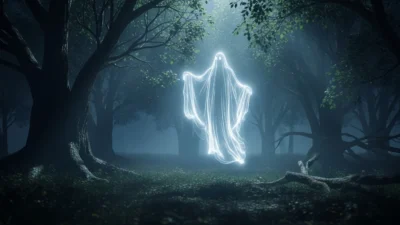
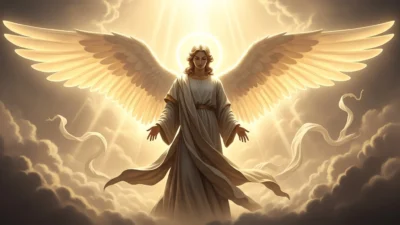
Artists often depict spirits as glowing light, wind-like energy, or ethereal forms to represent their intangible nature.
Spirit Symbolism in Dreams
Dreams involving spirits often reflect emotional or spiritual awareness.
| Dream Scenario | Possible Meaning |
|---|---|
| Seeing a peaceful spirit | Guidance or reassurance |
| Spirit flying or floating | Freedom and transcendence |
| Communicating with a spirit | Inner reflection or wisdom |
| Frightening spirit | Unresolved fears |
| Light-like spirit | Spiritual awakening |
Spirit dreams often symbolize the search for meaning or connection beyond everyday life.
Modern Interpretation of Spirit Symbolism
Today, spirit symbolism commonly represents:
- Personal motivation
- Emotional resilience
- Creativity and inspiration
- Spiritual curiosity
- Inner freedom
Phrases like “team spirit,” “free spirit,” or “fighting spirit” show how the concept remains part of modern language.
Positive and Shadow Meanings of Spirit Symbolism
Positive Symbolism
- Vitality
- Courage
- Inspiration
- Freedom
- Spiritual awareness
Shadow Symbolism
- Restlessness
- Emotional instability
- Loss of grounding
- Spiritual confusion
Spirit symbolism reminds us that energy and freedom are powerful forces that must be balanced with wisdom.
Final Thoughts on Spirit Symbolism
Spirit symbolism reflects the dynamic energy that brings life, passion, and inspiration to human existence. Whether understood as divine breath, emotional vitality, or inner freedom, the spirit represents the invisible force that motivates growth and creativity. It reminds us that life is not only physical but also deeply spiritual and meaningful.
Frequently Asked Questions
What does the spirit symbolize spiritually?
Spiritually, the spirit symbolizes divine life force, inspiration, and the connection between humans and higher spiritual realities.
What does dreaming about a spirit mean?
Dreaming about a spirit often represents guidance, emotional awareness, or spiritual reflection.
How is spirit different from soul symbolically?
Symbolically, the soul represents inner essence and identity, while the spirit represents life energy and motivation.
Why is spirit symbolism important?
Spirit symbolism helps people understand vitality, inspiration, and the unseen forces that shape human experience.

Emily Carter is a content writer and editor based in the United States, specializing in lifestyle, wellness, and personal development topics. With a passion for clear and engaging storytelling, she creates content that connects with readers and delivers practical value. Emily focuses on making complex ideas easy to understand and relatable.