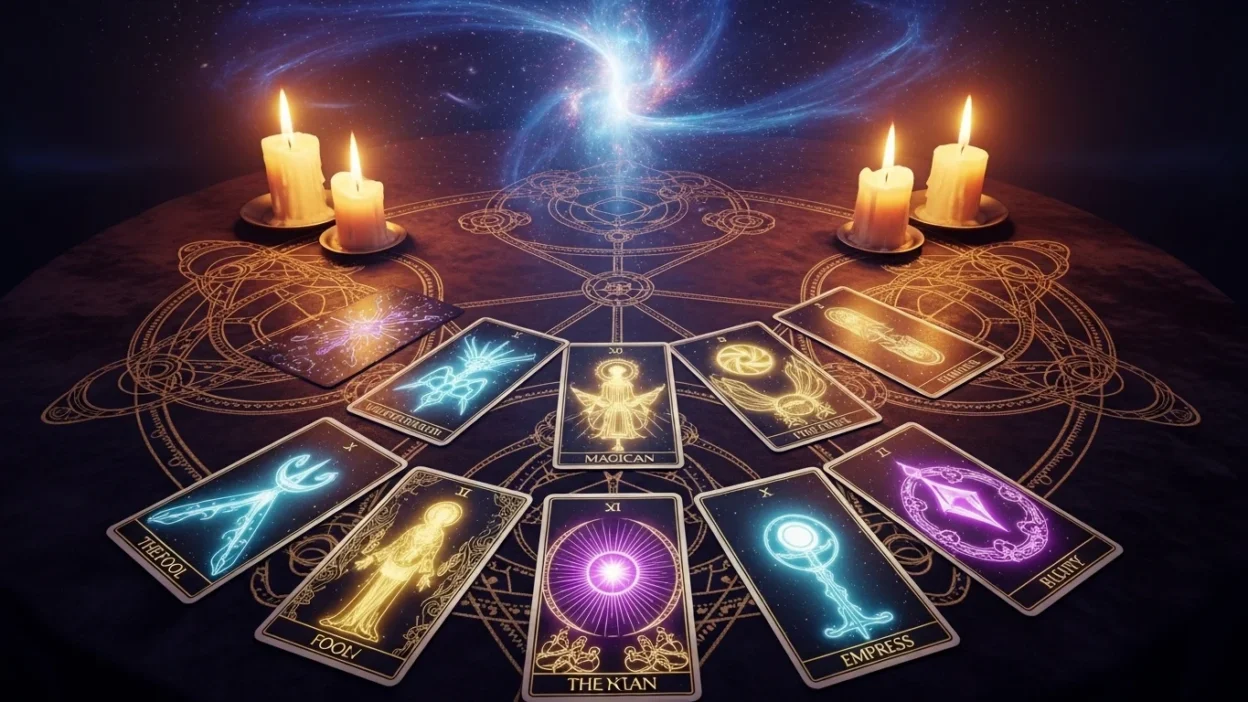
Tarot symbolism has intrigued people for centuries, blending mystery, spirituality, and storytelling through a unique system of symbolic cards. Each tarot card contains rich imagery, archetypal characters, and meaningful symbols that represent life experiences, emotions, and spiritual lessons. Rather than predicting the future with certainty, tarot symbolism is often used as a tool for reflection, intuition, and personal insight.
From ancient esoteric traditions to modern spiritual practices, tarot cards have remained powerful symbols of transformation, wisdom, and self-discovery. Understanding tarot symbolism helps reveal the deeper meanings behind the images and messages within each card.
What Is Tarot Symbolism?
Tarot symbolism refers to the symbolic imagery and meanings found within tarot cards. Each card contains visual elements—such as figures, colors, objects, and landscapes—that represent different themes of human life.
Tarot decks typically include 78 cards, divided into two main groups:
- Major Arcana (22 cards) – represent significant life lessons and spiritual journeys.
- Minor Arcana (56 cards) – reflect everyday experiences and situations.
These symbolic images work together to create stories that encourage reflection, intuition, and deeper understanding of life events.
Origins and History of Tarot Symbolism
The history of tarot symbolism dates back to medieval Europe, though its imagery draws inspiration from earlier spiritual and philosophical traditions.
Medieval Europe
Early tarot decks appeared in the 15th century as playing cards used in Italy and France. Over time, scholars and mystics began interpreting their imagery as symbolic representations of spiritual ideas.
Renaissance Influence
During the Renaissance, tarot imagery became connected with philosophy, astrology, and mystical traditions. Symbolic figures such as the Fool, the Magician, and the High Priestess represented archetypal aspects of human experience.
Modern Spiritual Use
Today, tarot symbolism is commonly used for meditation, creative reflection, and personal exploration rather than simple fortune-telling.
Major Arcana Symbolism
The Major Arcana cards represent important life themes and spiritual lessons. They are often seen as stages in a symbolic journey of growth and self-awareness.
| Major Arcana Card | Symbolic Meaning | Life Theme |
|---|---|---|
| The Fool | New beginnings | Adventure and potential |
| The Magician | Power and creativity | Manifestation |
| The High Priestess | Intuition and mystery | Inner wisdom |
| The Empress | Growth and nurturing | Abundance |
| The Emperor | Authority and structure | Leadership |
| The Lovers | Connection and choices | Relationships |
| The Wheel of Fortune | Change and cycles | Fate and transformation |
| The Star | Hope and inspiration | Renewal |
These cards represent deeper emotional or spiritual experiences in life’s journey.
Minor Arcana Symbolism
The Minor Arcana reflects everyday situations and emotions. These cards are divided into four symbolic suits:
| Suit | Element | Symbolic Meaning |
|---|---|---|
| Cups | Water | Emotions and relationships |
| Pentacles | Earth | Work, wealth, and stability |
| Swords | Air | Thoughts and challenges |
| Wands | Fire | Creativity and ambition |
Each suit contains numbered cards and court cards that represent different stages of experience or personality traits.
Spiritual Meaning of Tarot Symbolism ✨
Many spiritual traditions view tarot symbolism as a mirror of the human soul. Instead of predicting exact outcomes, tarot images encourage reflection on emotions, decisions, and personal growth.
Spiritually, tarot symbolism may represent:
- Personal transformation
- Inner wisdom and intuition
- Life cycles and lessons
- Emotional awareness
- The balance between choice and destiny
Through symbolic imagery, tarot encourages individuals to explore their inner thoughts and possibilities.
Tarot Symbolism in Art and Culture
Tarot imagery has influenced art, literature, and popular culture for centuries. The mysterious and symbolic illustrations inspire creative interpretations across different artistic fields.
Visual Art
Artists often reinterpret tarot images in paintings, digital art, and illustrations, highlighting themes such as destiny, mystery, and transformation.
Literature
Writers sometimes use tarot symbolism to represent character journeys, fate, and personal struggles within stories.
Modern Media
Tarot imagery appears in films, fashion, and design as a visual language representing mystery, spirituality, and imagination.
Modern Interpretations of Tarot Symbolism
Today, tarot symbolism is widely used for personal reflection, creative inspiration, and spiritual exploration. Many people see tarot cards as tools that encourage mindfulness and self-awareness.
Modern interpretations often focus on:
- Personal growth and introspection
- Emotional understanding
- Creative storytelling
- Spiritual curiosity
Rather than strict predictions, tarot symbolism invites individuals to explore possibilities and perspectives.
How to Understand Tarot Symbols
Learning tarot symbolism can be a fascinating journey. Beginners often start by studying the imagery and reflecting on the emotions or ideas each card evokes.
Helpful steps include:
- Study the images on each tarot card carefully.
- Learn the meanings of Major and Minor Arcana.
- Reflect on the symbolism of colors, objects, and figures.
- Practice interpreting cards through intuition and reflection.
- Use tarot as a tool for journaling or meditation.
Over time, these symbols can reveal deeper insights about life experiences and personal growth.
Secondary Keywords
- tarot card symbolism
- tarot card meanings
- spiritual meaning of tarot cards
- tarot symbols and meanings
- major arcana symbolism
- tarot interpretation guide
Conclusion
Tarot symbolism offers a rich and fascinating language of images that reflect the complexity of human life. Through archetypal figures, mystical imagery, and meaningful symbols, tarot cards represent journeys of growth, transformation, and self-discovery.
Whether viewed as spiritual guidance, creative inspiration, or psychological reflection, tarot symbolism continues to captivate people seeking deeper understanding of themselves and the world around them.
FAQs
What is tarot symbolism?
Tarot symbolism refers to the imagery and meanings represented in tarot cards that reflect emotional, spiritual, and life themes.
How many cards are in a tarot deck?
A traditional tarot deck contains 78 cards, including 22 Major Arcana and 56 Minor Arcana cards.
Are tarot cards used for predicting the future?
Many people use tarot for reflection and guidance rather than exact predictions about future events.
What do the four tarot suits represent?
The four suits—Cups, Pentacles, Swords, and Wands—symbolize emotions, material life, thoughts, and creativity.
Can beginners learn tarot symbolism?
Yes, beginners can learn tarot symbolism by studying card imagery, meanings, and practicing interpretation through reflection.

Emily Carter is a content writer and editor based in the United States, specializing in lifestyle, wellness, and personal development topics. With a passion for clear and engaging storytelling, she creates content that connects with readers and delivers practical value. Emily focuses on making complex ideas easy to understand and relatable.