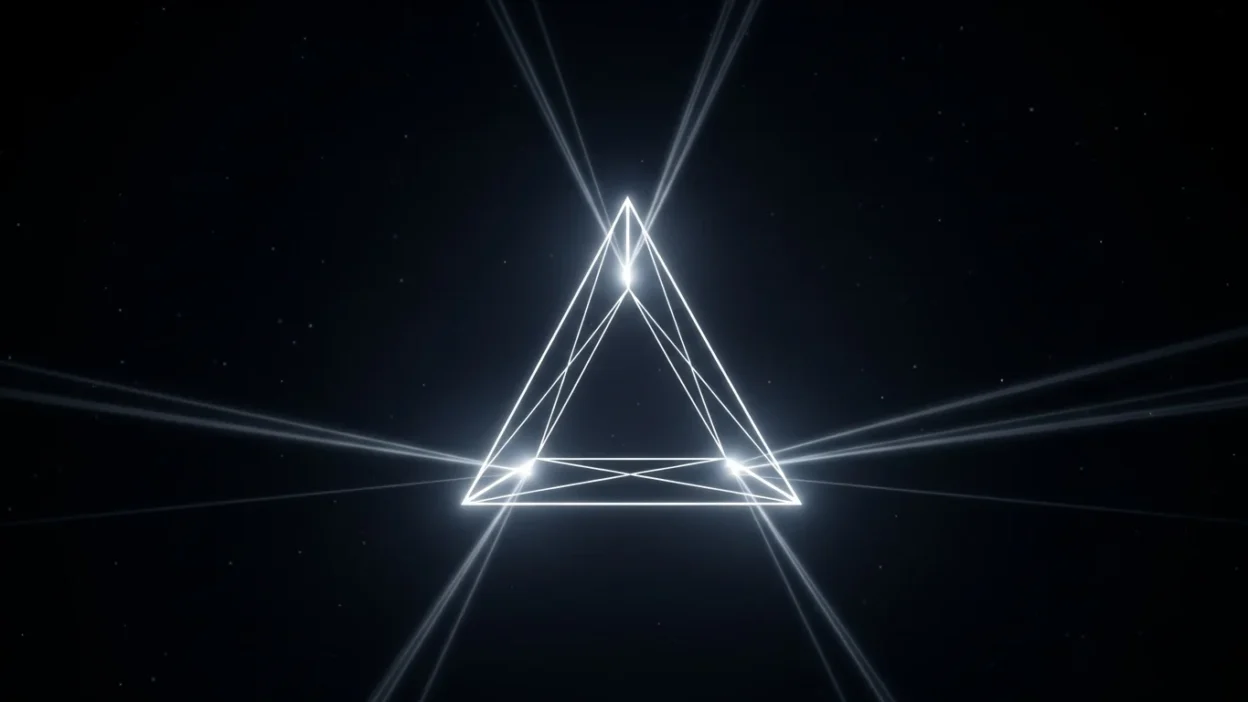
Triangle symbolism represents balance, strength, and the connection between different forces. As one of the most fundamental geometric shapes, the triangle is often associated with stability and harmony due to its three-sided structure. It appears in nature, spirituality, architecture, and art, carrying deep meanings across cultures.
From ancient traditions to modern interpretations, triangle symbolism reflects the idea that balance between three elements creates strength and unity.
What Is Triangle Symbolism?
Triangle symbolism refers to the meanings associated with the three-sided shape as a representation of balance, unity, and structure. Its simple yet strong form makes it a powerful symbol of stability.
Symbolically, a triangle may represent:
- Balance and harmony
- Strength and stability
- Connection between three elements
- Growth and progression
- Unity and structure
These meanings highlight the triangle as a symbol of both physical and conceptual strength.
Historical and Cultural Origins of Triangle Symbolism
The triangle has held symbolic importance across civilizations for centuries.
Ancient Civilizations
Triangles were used in architecture and design, symbolizing strength and stability.
Sacred Geometry
In many traditions, the triangle is considered a sacred shape representing balance and divine order.
Cultural Interpretations
Triangles often appear in symbols representing trinity, unity, or the connection between different forces.
These historical uses shaped the triangle’s symbolic meaning.
Spiritual Meaning of Triangle Symbolism ✨
Spiritually, triangle symbolism represents the connection between mind, body, and spirit, or other sets of three interconnected elements. Its upward or downward direction can also influence its meaning.
Spiritually, triangles may symbolize:
- Balance between different aspects of life
- Spiritual growth and enlightenment
- Unity of body, mind, and soul
- Manifestation and transformation
- Connection between physical and spiritual realms
These meanings emphasize the triangle as a symbol of harmony and alignment.
Common Symbolic Meanings of Triangles
| Symbolic Element | Meaning | Interpretation |
|---|---|---|
| Upward triangle | Growth and aspiration | Rising energy |
| Downward triangle | Reflection and receptivity | Inner focus |
| Three sides | Balance | Unity of elements |
| Stable base | Strength | Foundation |
| Pointed top | Direction | Focus and purpose |
These symbolic elements highlight the triangle’s association with balance and direction.
Triangle Symbolism in Culture and Traditions
Triangles appear in many cultural and symbolic contexts.
Symbol of Trinity
Triangles often represent groups of three, such as unity between different forces or ideas.
Balance of Elements
They are used to symbolize harmony between natural or spiritual elements.
Cultural Designs
Triangles are commonly used in patterns, architecture, and symbolic art.
These meanings reinforce the triangle as a symbol of balance and connection.
Triangle Symbolism in Literature and Art
Writers and artists frequently use triangles to explore themes of structure and harmony.
Common themes include:
- Balance between opposing forces
- Growth and progression
- Stability and strength
- Connection between elements
Artists often use triangular compositions to create a sense of stability and focus.
Triangle Symbolism in Dreams
Dreams involving triangles often symbolize balance, decisions, or relationships between different aspects of life.
| Dream Scenario | Possible Meaning | Emotional Theme |
|---|---|---|
| Seeing a triangle | Balance or structure | Awareness |
| Drawing a triangle | Planning or focus | Determination |
| Broken triangle | Imbalance | Concern |
| Multiple triangles | Complexity or connection | Curiosity |
| Bright triangle | Insight or clarity | Inspiration |
These dream interpretations often reflect personal balance and decision-making.
Modern Interpretation of Triangle Symbolism
In modern life, triangle symbolism is often used to represent strength, balance, and progress.
Today, triangles may symbolize:
- Personal growth and development
- Stability and strong foundations
- Focus and direction
- Innovation and structure
- Balance between different aspects of life
These meanings show how triangle symbolism remains relevant today.
Symbols Associated With Triangles
Several elements are commonly linked with triangle symbolism.
- Pyramids
- Mountain peaks
- Arrows and directional signs
- Three-point designs
- Geometric patterns
These symbols emphasize structure, direction, and strength.
Secondary Keywords
- triangle symbolism meaning
- spiritual meaning of triangle
- triangle dream meaning
- symbolism of triangles in culture
- triangle meaning and interpretation
- triangle spiritual symbolism
Conclusion
Triangle symbolism represents balance, strength, and the connection between elements. Its three-sided structure reflects harmony and stability, making it a powerful symbol across cultures and traditions. Whether viewed spiritually, culturally, or personally, the triangle reminds us that balance and unity create strength and growth.
Understanding triangle symbolism encourages awareness of structure, harmony, and the importance of maintaining balance in life.
FAQs
What does a triangle symbolize?
A triangle symbolizes balance, strength, unity, and the connection between three elements.
Is triangle symbolism spiritual?
Yes, it often represents spiritual balance, growth, and the connection between mind, body, and spirit.
What does an upside-down triangle mean?
A downward triangle often symbolizes reflection, receptivity, or inner focus.
What does dreaming about a triangle mean?
Dreaming about a triangle may symbolize balance, decisions, or relationships between different aspects of life.
Why are triangles considered strong shapes?
Triangles are structurally stable because their three sides create a solid and balanced form.

Emily Carter is a content writer and editor based in the United States, specializing in lifestyle, wellness, and personal development topics. With a passion for clear and engaging storytelling, she creates content that connects with readers and delivers practical value. Emily focuses on making complex ideas easy to understand and relatable.