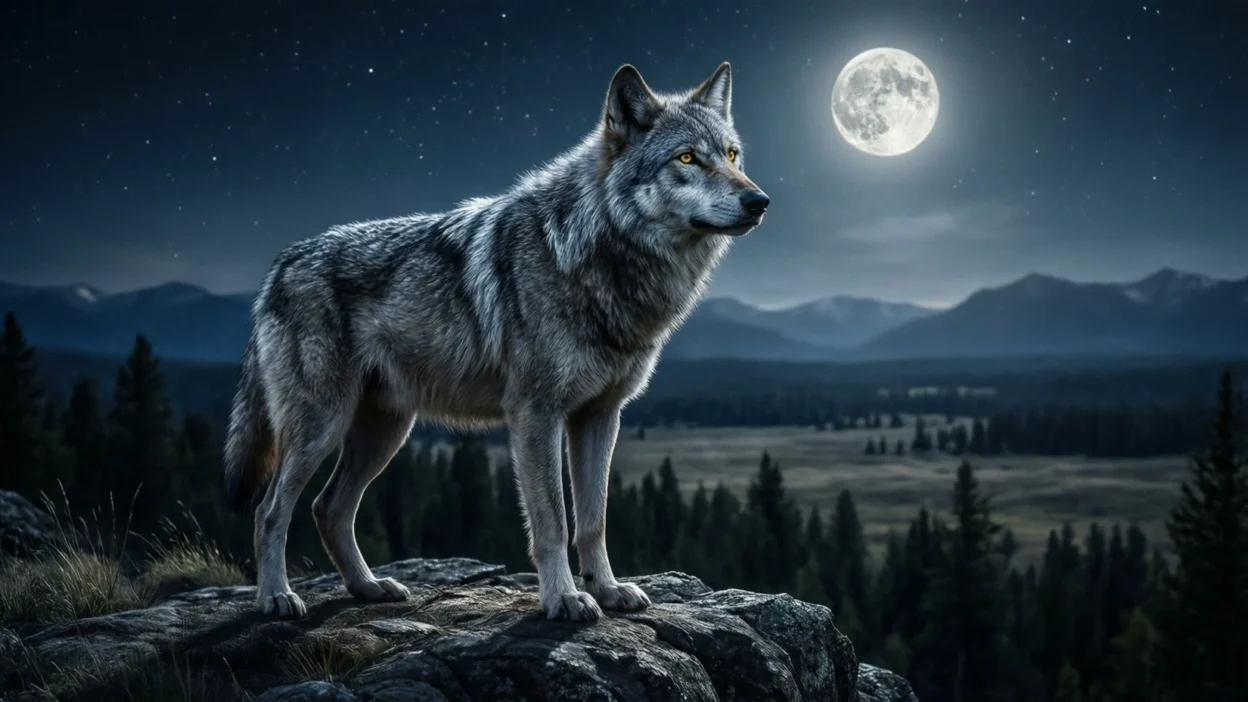
Wolf symbolism represents instinct, loyalty, freedom, and deep inner strength. Across spiritual traditions, mythology, history, and modern interpretations, the wolf symbolizes the balance between independence and community, intuition and intelligence, wildness and wisdom. Powerful yet deeply social, the wolf reminds us to trust our instincts while honoring our bonds.
🐺 What Is Wolf Symbolism?
Wolf symbolism refers to the deeper meaning of wolves beyond their role as animals. Symbolically, wolves represent intuition, survival, guardianship, leadership, and the connection between the individual and the group.
The wolf teaches us how to walk our own path without losing our place in the pack.
🐺 Core Symbolic Meanings of Wolves
Wolves carry layered and primal symbolism.
| Symbolic Meaning | Interpretation |
|---|---|
| Instinct | Trusting inner guidance |
| Loyalty | Strong bonds and commitment |
| Freedom | Independence and wild spirit |
| Intelligence | Strategy and awareness |
| Protection | Guardianship of loved ones |
| Balance | Individuality within community |
🐺 Spiritual Meaning of Wolf Symbolism
Spiritually, wolves symbolize intuition, spiritual guidance, and inner truth. They are often seen as spirit guides that appear during times of personal transformation or when one must rely on instinct rather than logic alone.
Spiritual themes connected to wolf symbolism include:
- Trusting intuition
- Walking your authentic path
- Inner courage and resilience
Wolf symbolism encourages honoring your inner voice while respecting your connections.
🐺 Cultural and Historical Symbolism of Wolves
Wolves hold powerful meaning across cultures:
- Native American traditions: Teachers, guides, and pathfinders
- Norse mythology: Strength, chaos, and fate
- Roman symbolism: Protection and survival
- Celtic beliefs: Guardianship and intuition
Culturally, wolves symbolize both fear and reverence, wildness and wisdom.
🐺 Wolf Symbolism in Religion and Mythology
In religious and mythological contexts, wolves often represent:
- Guardians of sacred knowledge
- Tests of faith or character
- Duality of danger and protection
They symbolize raw power guided by instinct.
🐺 Wolf Symbolism in Literature and Art
In literature and art, wolves symbolize:
- The untamed self
- Isolation or leadership
- Moral testing and transformation
Artists use wolves to explore identity, survival, and inner conflict.
🐺 Dream Meaning of Wolves
Dreams involving wolves often reflect instinctual emotions or social dynamics.
Common wolf dream meanings include:
- Howling wolf: Calling attention to truth
- Friendly wolf: Inner guidance or loyalty
- Aggressive wolf: Suppressed fears or conflict
- Wolf pack: Community or belonging
Wolf dreams highlight intuition, boundaries, and personal power.
🐺 Modern Meaning of Wolf Symbolism
In modern symbolism, wolves represent:
- Independence with loyalty
- Self-trust
- Resilience and identity
Today, wolf symbolism reminds us that strength comes from knowing when to stand alone and when to stand together.
🐺 Conclusion: The Deep Wisdom of Wolf Symbolism
Wolf symbolism teaches that true power lies in balance—between instinct and reason, freedom and loyalty, solitude and connection. By trusting ourselves and honoring our bonds, we embody the wolf’s quiet strength.
🐺 Frequently Asked Questions (FAQs)
What does a wolf symbolize spiritually?
It represents intuition, guidance, and inner strength.
Are wolves symbols of loyalty?
Yes, wolves strongly symbolize loyalty and family bonds.
What does dreaming of a wolf mean?
It reflects instinct, emotions, or social connections.
Are wolves good or bad symbols?
They symbolize duality both danger and protection.
What does a wolf symbolize today?
Self-trust, resilience, and balanced independence.

Emily Carter is a content writer and editor based in the United States, specializing in lifestyle, wellness, and personal development topics. With a passion for clear and engaging storytelling, she creates content that connects with readers and delivers practical value. Emily focuses on making complex ideas easy to understand and relatable.